
2027 brings a change in the way we choose sustainable travel. Since 27 September 2026, the European Union has been applying Directive (EU) 2024/825 on empowering consumers for the green transition. It bans generic environmental claims («eco-friendly», «green», «climate-friendly») without proof, sustainability labels that aren’t based on a certification scheme and «climate neutral» promises based only on offsetting. For travellers, it means something very simple: it’s no longer enough for a hotel or a tour to say it’s sustainable; it has to prove it.
For this selection we combined two sources. On the one hand, the stories that students at the School of Travel Journalism have published in Viajar & Crear, from the Azores to Borneo. On the other, the Sustainable Tourism classes taught this autumn on the Master in Travel Journalism by David Ermen, a board member of the Global Sustainable Tourism Council (GSTC), and journalist Emese Maczko, a Forbes contributor specialising in sustainable tourism. The result: 25 slow and sustainable travel experiences for 2027, plus what you need to know to choose them well.
Before you pack: 5 ways to avoid greenwashing
- The destination is someone’s home. That’s how David Ermen opened the course. He prefers to speak of «mismanaged tourism» rather than «overtourism»: the problem isn’t travel itself but how tourism is managed.
- Certification, awards and self-declaration are not the same thing. A self-declaration is a business «marking its own homework»; an award is often more of a marketing tool; certification means regular independent audits. According to Ermen, the most reliable claim is certification by a GSTC-accredited body.
- Ask who keeps the money. Emese Maczko calls it «tourism leakage»: the share of spending that leaves the country through foreign owners, platforms or imported products. In class she cited a study finding that only 55% of tourism income stays in Croatia. Booking directly with local hosts and businesses makes a difference.
- With wildlife, keep your distance. No touching, feeding, riding or washing. If an animal changes its behaviour because of you, the disturbance is no longer minimal. And remember Maczko’s warning: «having a rule and enforcing a rule are not the same things».
- Exchange, not extraction. A cultural experience is an exchange when it benefits both sides. To check, Maczko suggests three questions: is there fair compensation? Has the community given its consent? Does it have control over how visits are organised?
And one more for the whole trip: travel off-season whenever you can. As Ermen put it, «you’re not stuck in traffic, you are traffic».
Europe: islands, mountains and cities choosing «better» over «more»
1. Faial, Azores (Portugal): learning to live devagar
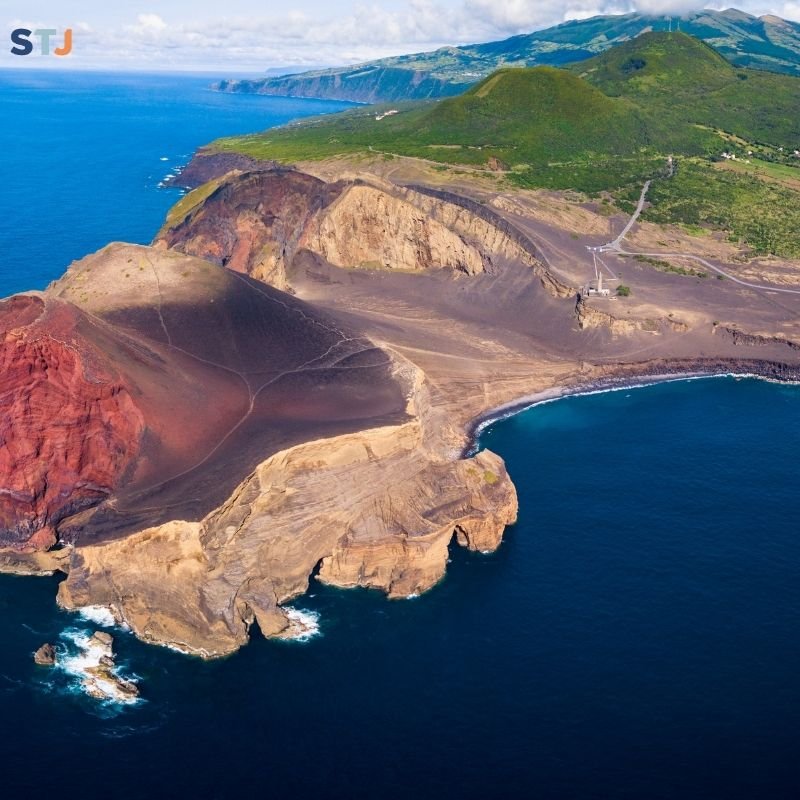
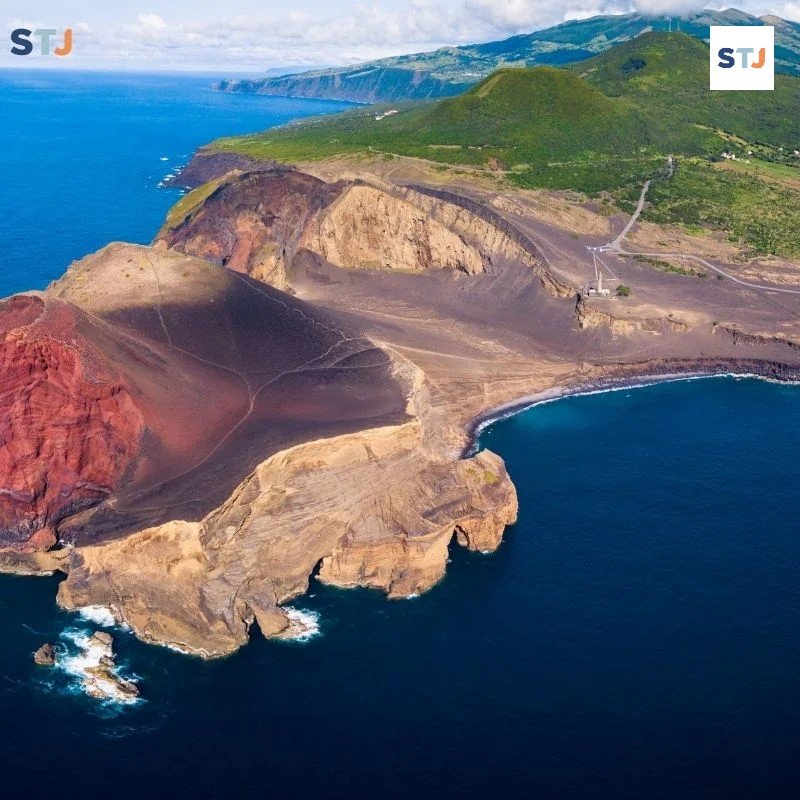
An exhausted traveller arrives in Faial looking for a place that won’t entertain her, and meets a stonemason who lives devagar, slowly, at the island’s pace. Horta doesn’t perform for visitors: it’s the perfect example of slow travel as a way of stripping away the superfluous.
Tip: stay at least a week on one island instead of hopping between several. 👉 Devagar: The Island That Removes the Superfluous
2. El Hierro (Canary Islands): the island that sidestepped mass tourism

Few connections and few hotel beds have made El Hierro a place where silence is the main experience: the La Llanía laurel forest, the lava flows of La Restinga, the Orchilla lighthouse and junipers twisted by the wind.
Tip: get around on the island’s trail network and dive with local centres in La Restinga. 👉 El Hierro: where silence takes centre stage
3. Ordesa y Monte Perdido (Huesca, Spain): visiting without consuming

With 650,000 visitors a year, the national park caps numbers on its busiest trails and, in peak season, access is by shuttle bus only. A model of capacity management that keeps the Horsetail Falls and the Faja de las Flores enjoyable.
Tip: go in autumn, when the beech woods turn copper and crowds thin out. 👉 Ordesa: the heart of the Pyrenees
4. The Alpujarra and Mulhacén (Granada, Spain): mountains with a guide
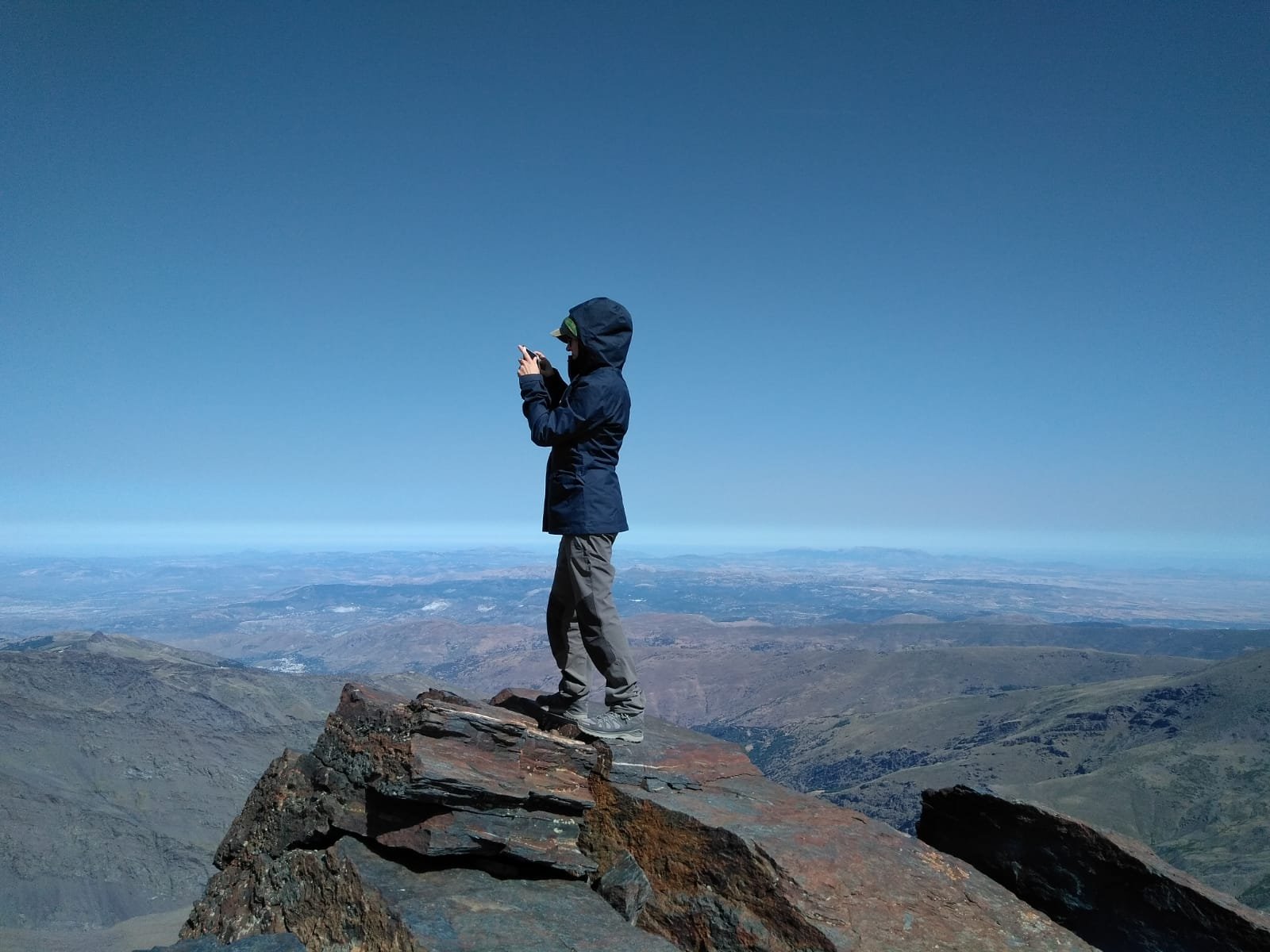
A two-day climb from Capileira and the Poqueira refuge to the roof of the Iberian Peninsula. The author makes the case for ecotourism and expert guides in the face of a rise in «new hikers» who underestimate the high mountains.
Tip: climb with a local guide and sleep in the refuge to spread your spending in the area. 👉 Mulhacén: climbing Spain’s Martian summit
5. Tzoumerka (Epirus, Greece): rural Greece that refuses to give up
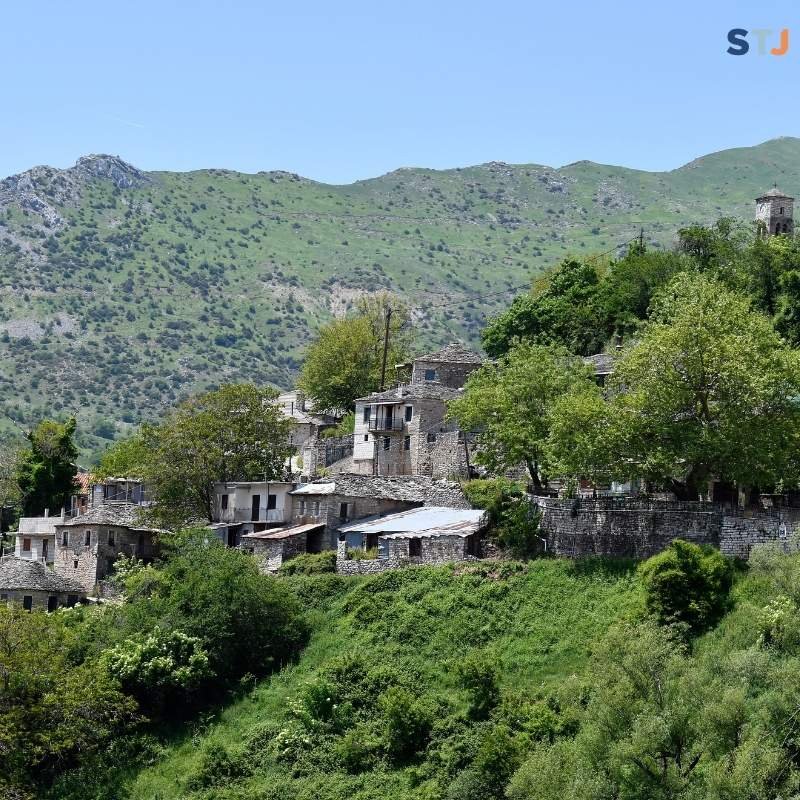
Villages of fourteen people in the Pindus mountains, chestnuts roasted on the stove and a storm that leaves the valley without power. Travelling to inland Greece supports communities resisting depopulation, far from the overcrowded islands.
Tip: stay in family-run guesthouses and eat at the village taverna. 👉 Apo pou eisai, pallikari? Travels in the peak of Tzoumerka
6. Molise (Italy): the region that «doesn’t exist, it resists»

One of Italy’s least visited regions hides villages such as Civita Campomarano, with around 70 murals from the Cvtà Street Fest. Ideal for spreading tourism away from Rome, Venice or Florence and taking your spending where it’s needed.
Tip: combine the street art with local cooking at agriturismi. 👉 Molise: The Italian Region You Don’t Expect
7. Balestrand (Norway): a village inside a fjord
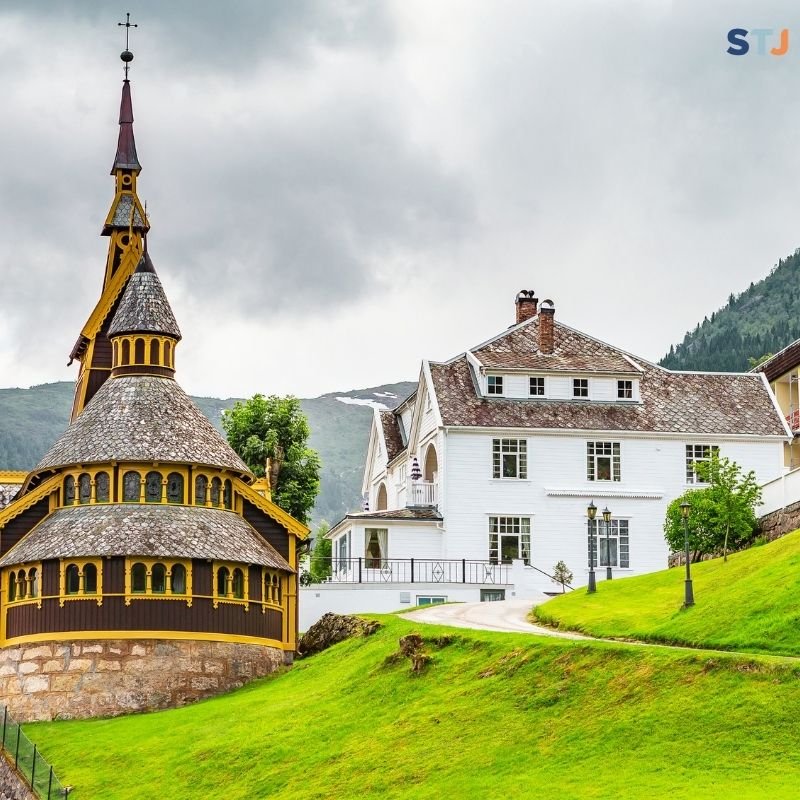
Colourful houses, a second-hand shop, a family-run cider house and unplanned afternoons by the fjord. Balestrand shows how much beauty there is when people choose to live gently with nature.
Tip: arrive by ferry or train and stay a few days rather than doing the fjord as a day trip. 👉 Falling for Balestrand
8. The Lake Region (Finland): by train through the land of 188,000 lakes

In winter, the author travels by train through North Karelia and the country’s lake district. Slow travel at its best, with a rail network that connects the whole country and snowy landscapes that call for calm.
Tip: take the train between regions and book locally run cabins. 👉 Things to Do in Finland: the Land of a Thousand Lakes
9. Jæren (Norway): cold-water surfing all year round
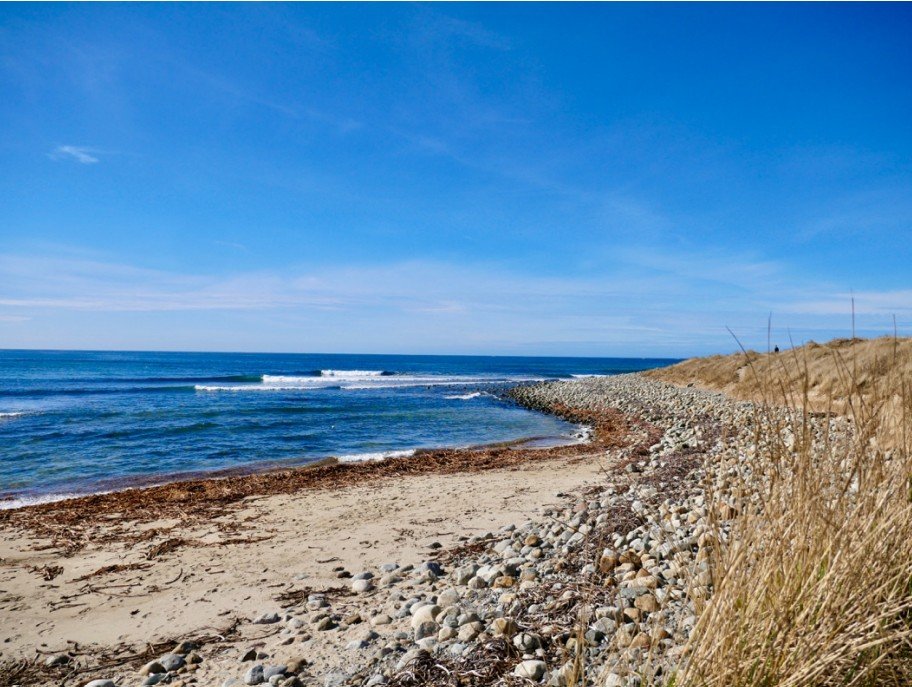
More than 65 kilometres of coast with beaches for every personality and some of the country’s best waves. Visit Jæren focuses on using the beaches all year round, not just in summer.
Tip: learn with local surf schools and camps. 👉 A Beach for Every Personality
10. Flanders (Belgium): travelling on two wheels
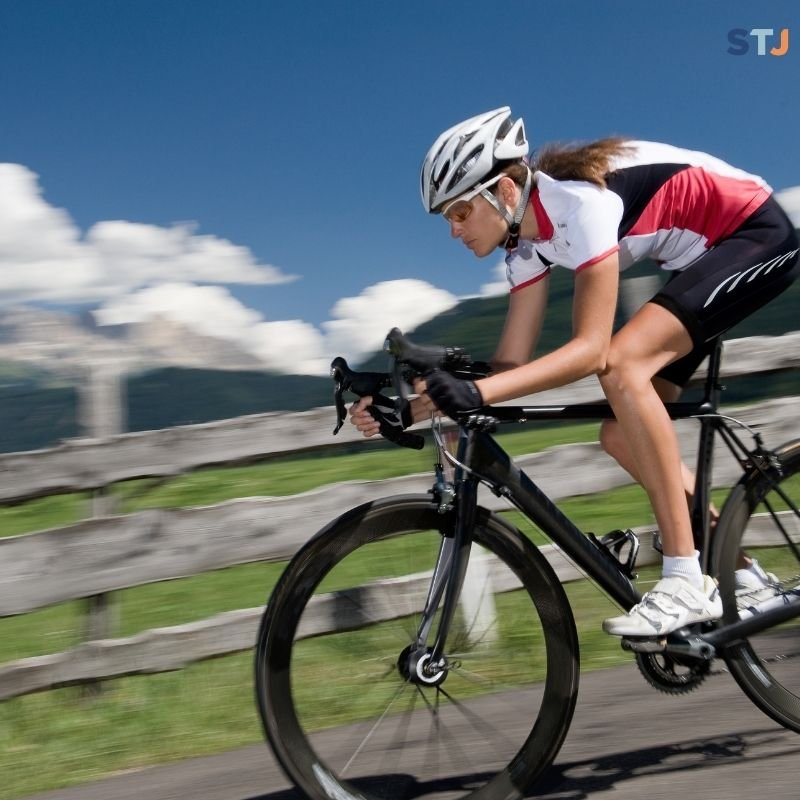
In Flanders cycling is identity: the cobbled climbs of the Tour of Flanders, cyclocross in winter and routes for every level. Here the bike is the most natural way to explore.
Tip: arrive by train and rent a bike to move between towns. 👉 Flanders and Cycling, a Match Made in Heaven
11. Bruges (Belgium): the city that chose «better» over «more»

Around eight million visitors a year for 120,000 residents. Bruges has limited cruise arrivals and short-term rentals and encourages visitors to stay longer and explore lesser-known neighbourhoods.
Tip: sleep in the city and get up early: the Bruges of winter mornings is the one locals love. 👉 Bruges at a Turning Point
12. Aveiro (Portugal): canals, bikes and electric moliceiros

BUGA shared bikes, electric moliceiros and buses, community-led urban regeneration and ecotourism in the lagoon and salt flats. An interesting case of a city trying to spread visitor flows.
Tip: explore the lagoon and salt flats with local guides and avoid the peak months. 👉 Aveiro: Between Canals and Consciousness
13. The Algarve (Portugal): dolphins with marine biologists
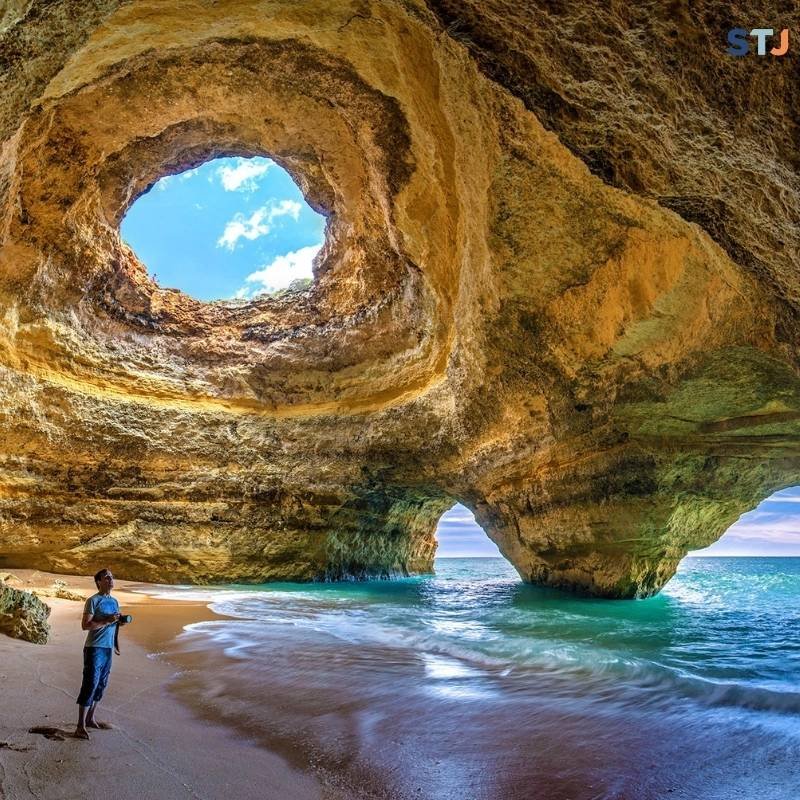
From Faro, two marine biologists run Ocean Vibes Algarve, which combines wildlife watching with scientific research and environmental education all year round. The Algarve beyond its crowded beaches.
Tip: before booking any wildlife trip, ask how much distance they keep from the animals. 👉 Interview with Ocean Vibes Algarve
14. Nantes (France): a city to explore on foot

A green line painted on the ground leads you to more than a hundred contemporary artworks on the Voyage à Nantes trail. A quiet, uncrowded city break to explore without hurry on foot or by tram.
Tip: follow the green line and leave the car at home. 👉 Nantes: The creative city
15. Kosovo: travelling with local guides to an emerging destination
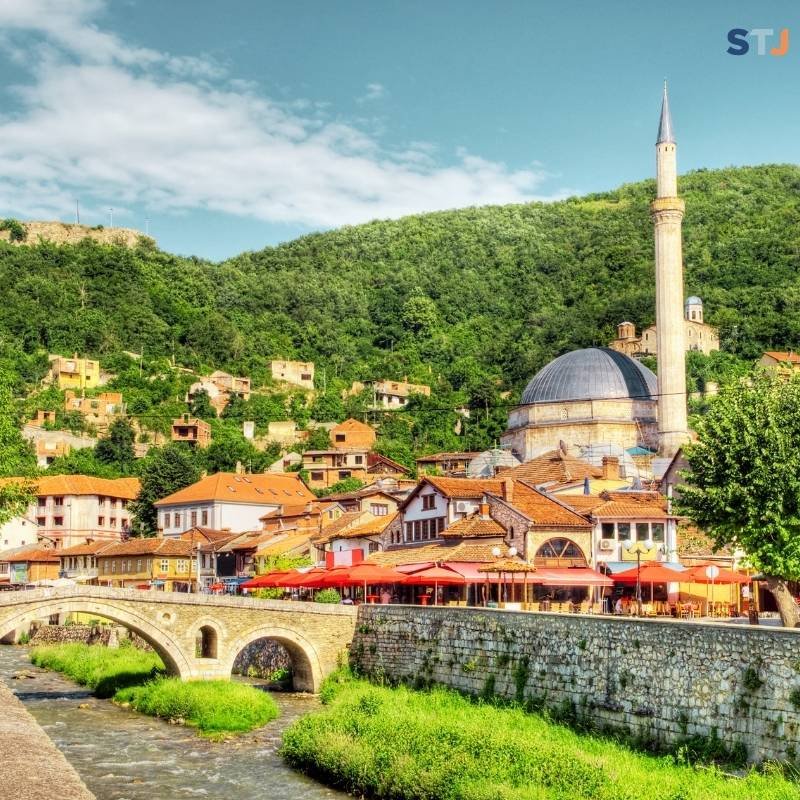
The Remusica festival, skiing in the Sharr mountains or wine from the Rahovec valley: Enes Toska, co-founder of the GUIDEKS guides’ association, explains how to build a tourism that gives visitors more reasons to stay without erasing the past.
Tip: hire licensed guides from the national association. 👉 Why Kosovo is not on anyone’s bucket list – not just yet!
16. Bosnia and Herzegovina: a country to understand as a whole
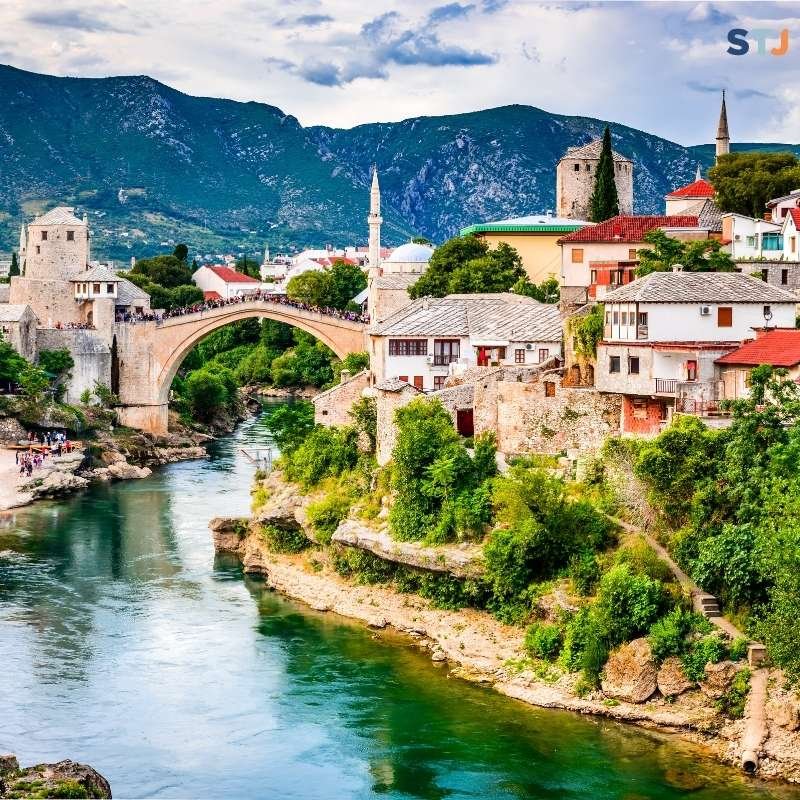
From Sarajevo’s basements to the Ottoman bridges of the Drina and the Perućica primeval forest. The author suggests travelling the country as a whole rather than as a list of isolated sights, so as not to degrade what you came to discover.
Tip: spend time in towns such as Jajce, Travnik or Počitelj. 👉 The enigmatic social and territorial labyrinth of Bosnia and Herzegovina
The Americas: communities deciding how they are visited
17. Chocó Andino (Ecuador): a plastic-free festival in the cloud forest
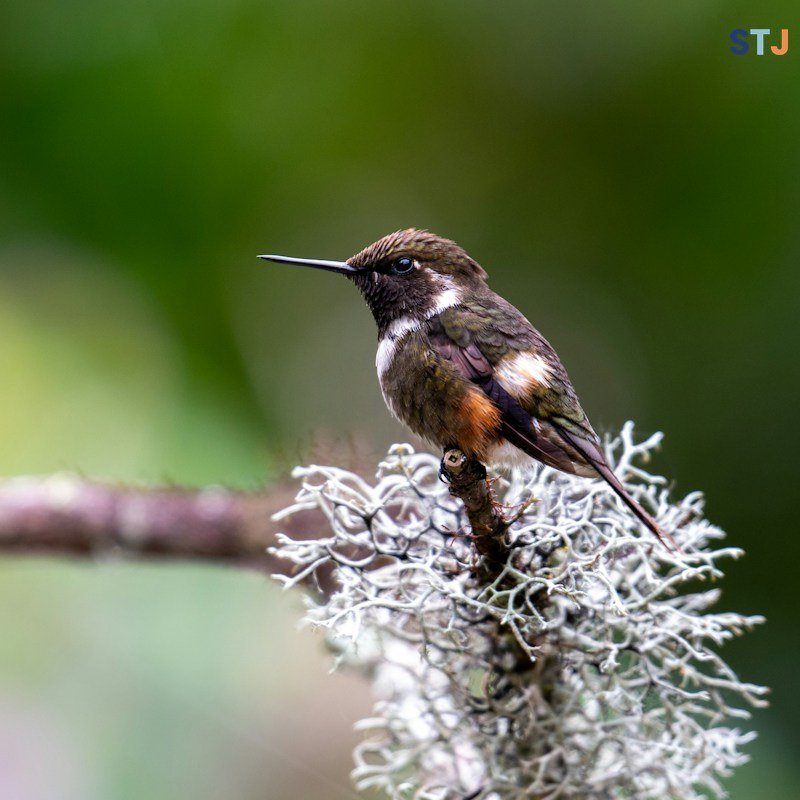
Forty minutes from Quito, the Chocó Andino Biosphere Reserve hosts a travelling festival each year, free of single-use plastic and run by volunteers. Community tourism that protects the forest and brings forgotten edible plants back to the table.
Tip: eat at the stalls run by families from the reserve. 👉 Community Tourism in Ecuador’s Chocó Andino Cloud Forest
18. Talamanca (Costa Rica): accepting a community’s «no»
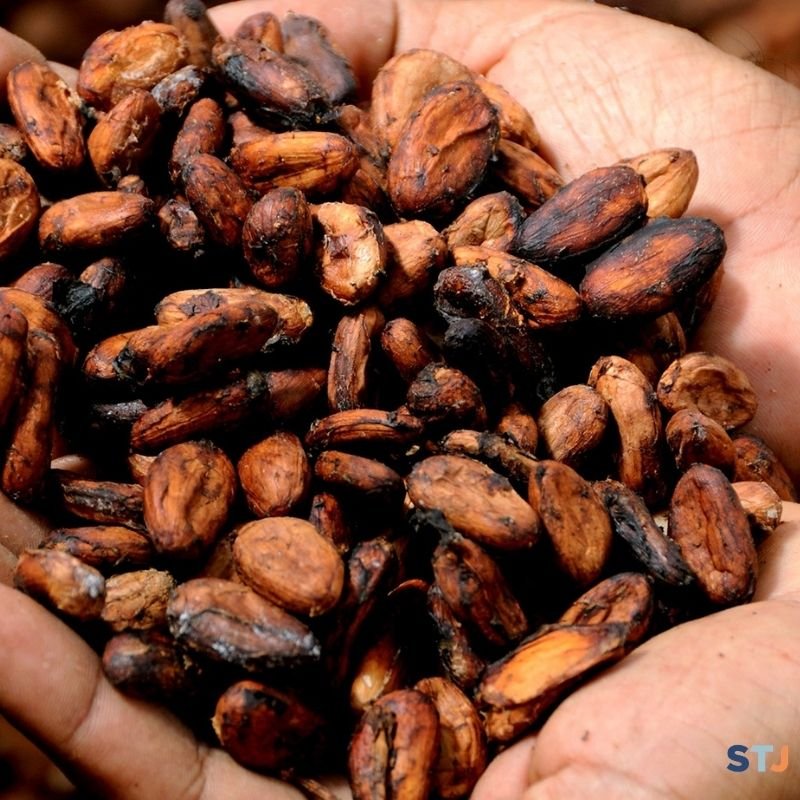
A private visit to a Bribri family, with cacao and medicinal plants, ends with a lesson: sustainability also means accepting a limit. Not everything is available to the visitor.
Tip: ask before every photo and accept no for an answer. 👉 When a community says «no»
19. The Oaxaca coast (Mexico): a trip with a cause

With the non-profit Fondo para la Paz, the author visits community kitchens, coffee farms and a cage-free egg cooperative. Solidarity travel where visitors see real projects run by an organisation with 30 years of work behind it.
Tip: if you want to help, buy from the cooperatives rather than bringing gifts from home. 👉 A trip with a cause on Oaxaca’s coast
20. Cabo Pulmo (Baja California Sur, Mexico): diving in a protected marine park

Shoals of jacks that block out the sun, groupers the size of a person and coral-covered rocks at Los Morros. A protected ecosystem where the abundance of marine life shows on every dive.
Tip: dive with local centres and follow the national park’s rules. 👉 The five senses, 20 metres underwater in Cabo Pulmo
21. Northern Argentina: where time stands still

More than 1,500 kilometres through Cachi, Cafayate, Purmamarca, the Salinas Grandes and Iruya. A road trip at the pace of Pachamama, with folk music gatherings and home cooking.
Tip: hire local guides to reach villages such as Iruya. 👉 «It’s as if time stood still»
22. The Elqui Valley (Chile): literary travel in Gabriela Mistral’s footsteps
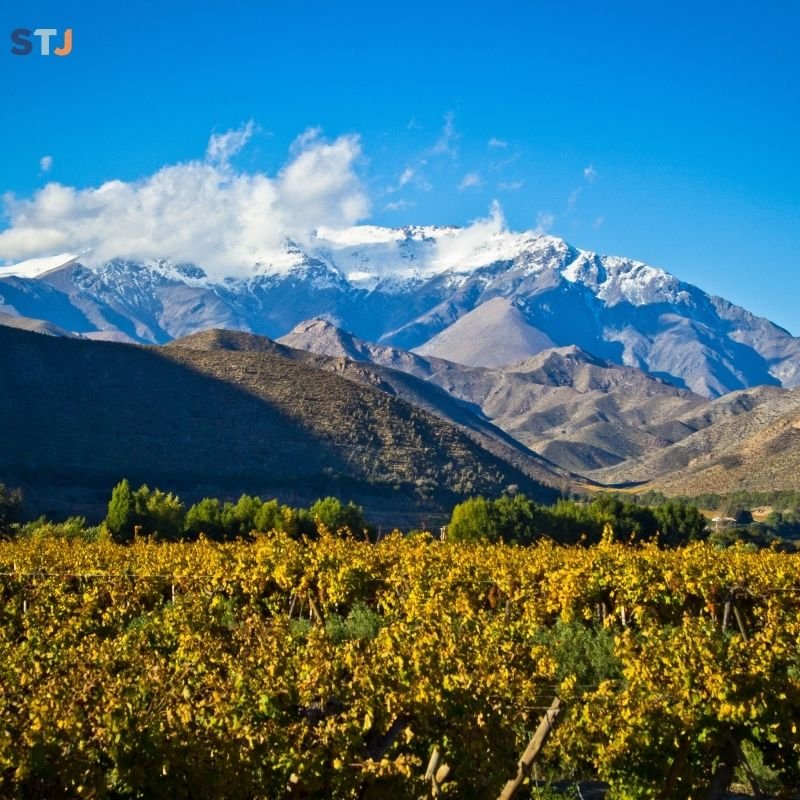
Beyond stargazing and pisco, the valley is the birthplace of Gabriela Mistral, the first Latin American to win the Nobel Prize in Literature. A literary route waiting to be built that invites you to stay and read the landscape.
Tip: combine Vicuña and its museums with stargazing nights run by local operators. 👉 The literary Elqui Valley
Asia: the value of going slowly
23. Hue (Vietnam): a city that moves «super slow»

Hue’s garden houses, a legacy of the old imperial court, show how the city was built in dialogue with nature. Hue doesn’t compete with Hanoi or Saigon: it invites you to slow down.
Tip: visit a garden house and explore the city by bike. 👉 Hue: A Coquette Heart of Vietnam’s Heritage
24. Kyrgyzstan: six days by bike through the mountains

A dart thrown at random at a globe, a mountain bike rented in Bishkek, a rusty bus and six days pedalling through the mountains. Slow travel at its most adventurous.
Tip: choose family-run stays and local guides so the money stays in the communities. 👉 I Threw a Dart at a Map… and Ended up in Kyrgyzstan
25. Gomantong Caves (Borneo, Malaysia): tradition and conservation

In a 90-metre-high cave, harvesters climb wooden ladders to collect swiftlet nests. A place that teaches that conservation isn’t about isolating nature from people, but about finding ways to coexist.
Tip: visit with local guides and respect the areas closed to the public. 👉 Gomantong Caves: between tradition, economy and conservation
How to write about sustainable travel (without copying the brochure)
If you write about travel, the classes left two useful lessons. The first, from David Ermen: attribute claims to the business rather than repeating them as fact, screenshot what they promise and ask for concrete figures. The second, from Emese Maczko: look for the people most passionate about the animal, landscape or community you’re writing about, not just the operator. It’s the kind of journalism you learn on the Master in Travel Journalism at the School of Travel Journalism.
Slow and sustainable travel: frequently asked questions
What is slow travel?
It means visiting fewer places and spending more time in each: staying put, getting around on foot, by bike or by train, and connecting with local people. It cuts down on transport and spreads spending more evenly through the local economy.
How can I tell if accommodation is really sustainable?
Look for certifications issued by GSTC-accredited bodies or official labels such as the EU Ecolabel, and be wary of generic claims without data. Ask who owns the business, where the food comes from and how water and energy are managed.
Is offsetting my flight sustainable?
Funding verified offset projects can help, but since 2026 trips can no longer be advertised as «carbon neutral» in the EU on the basis of offsetting alone. The most effective step is to fly less and stay longer.
Want to learn to report on tourism with rigour and a critical eye? Discover the Master in Travel Journalism and the Master in Gastronomic Journalism and Communication at the School of Travel Journalism.