
This November, Abu Dhabi hosts the World’s 50 Best Restaurants 2026 ceremony for the first time, the list that each year decides which tables on the planet are worth a trip. Rankings are a great way to discover extraordinary restaurants, but they leave out almost everything that makes a place’s food unique: the market cooks, the fishermen heading out before dawn, the recipes born of scarcity and the dishes that will never earn a star because people eat them standing up in the village square.
At Viajar & Crear, the magazine written by students of the School of Travel Journalism, we’ve spent months telling exactly those stories. Here are 15 cuisines, ingredients and food trades from Spain and Latin America (with detours to Europe and Asia) that no ranking will list, but that are worth a food trip on their own. Each one links to the full story by its author.
How we chose this list
This isn’t a ranking, and it doesn’t try to be. We picked stories from the magazine that meet three criteria: they tell a cuisine through the people who keep it alive (producers, cooks, communities), they focus on a specific place and they raise a question about identity, tourism or sustainability. The order is geographical, not a measure of merit.
1. La Safor, Valencia: the fishing that sustains Mediterranean food
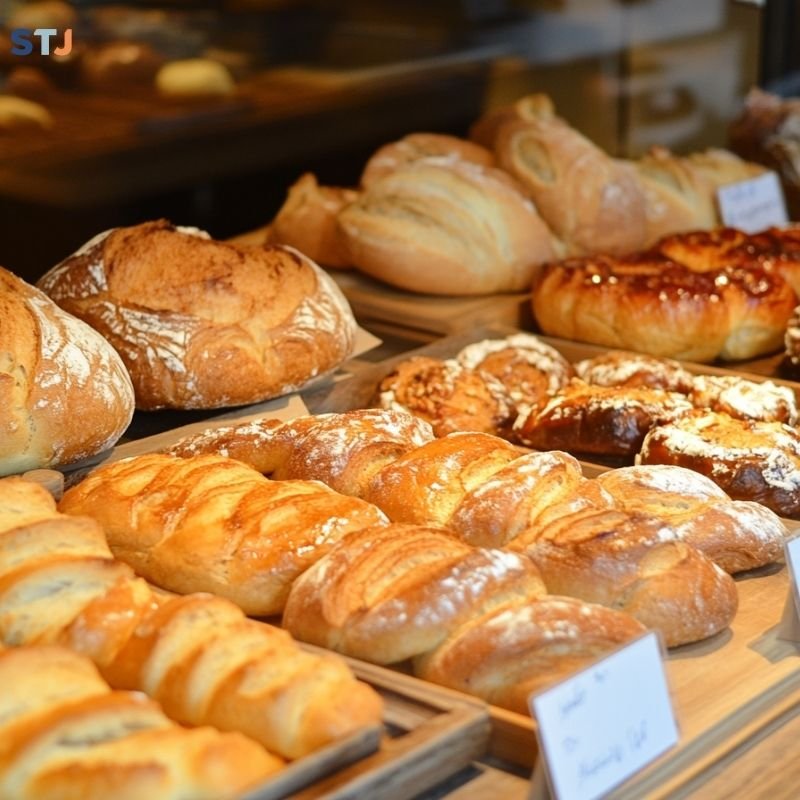
Ingrid Julve, a former pastry chef in fine-dining restaurants, explains how gastronomy likes to call itself inclusive but works as a hierarchy: kitchens and stars at the top; pastry chefs, bakers, ice cream makers… and fishermen at the bottom. Her reflection ends at sea in La Safor, because Mediterranean food cannot exist without fishing.
👉 Read the full story: Back to the source: the gastronomy nobody sees
2. Xeraco, Valencia: coques de dacsa, the recipe that refuses to die
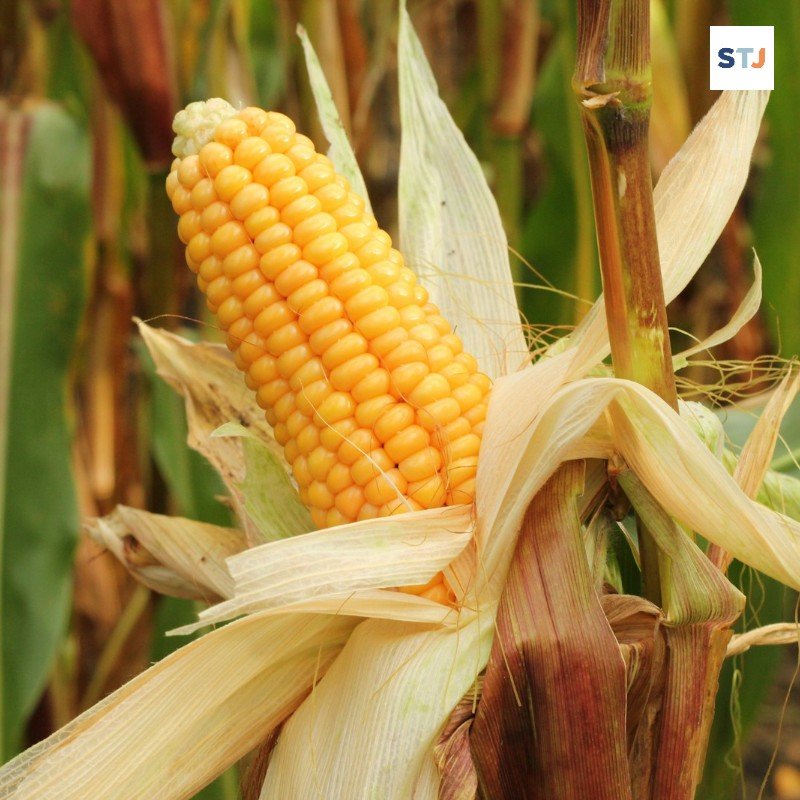
Discs of scalded maize flour, toasted on a griddle and filled with tomato, tuna and egg: that’s how coques de dacsa were born in times of hardship. Today bars, food fairs and producers in La Safor are bringing them back. The story includes the traditional recipe step by step.
👉 Read the full story: Coques de dacsa: the Valencian tradition that refuses to die
3. Sant Boi de Llobregat, Barcelona: the artichoke as identity

Just outside Barcelona, Sant Boi has turned the artichoke into a shared symbol through its «Mes de la Carxofa» (Artichoke Month) and «Carxofada» festival, which involve farmers, shops and schools. A great example of local food tourism built on farming land.
👉 Read the full story: Sant Boi and the power of a symbol: the artichoke as identity
4. Cambados, Galicia: a butcher’s shop against the industry

A Xeitosiña works with small farmers in Lugo who raise calves on their mothers’ milk and maize flour, and has chosen to stay outside the PGI label. Its motto says it all: «O sabor da tradición», the taste of tradition. A must-stop if you’re travelling around the Rías Baixas.
👉 Read the full story: Con xeito e con sabor: a Galician butcher’s shop that defends tradition
5. Andorra: can a cuisine be defined by decree?
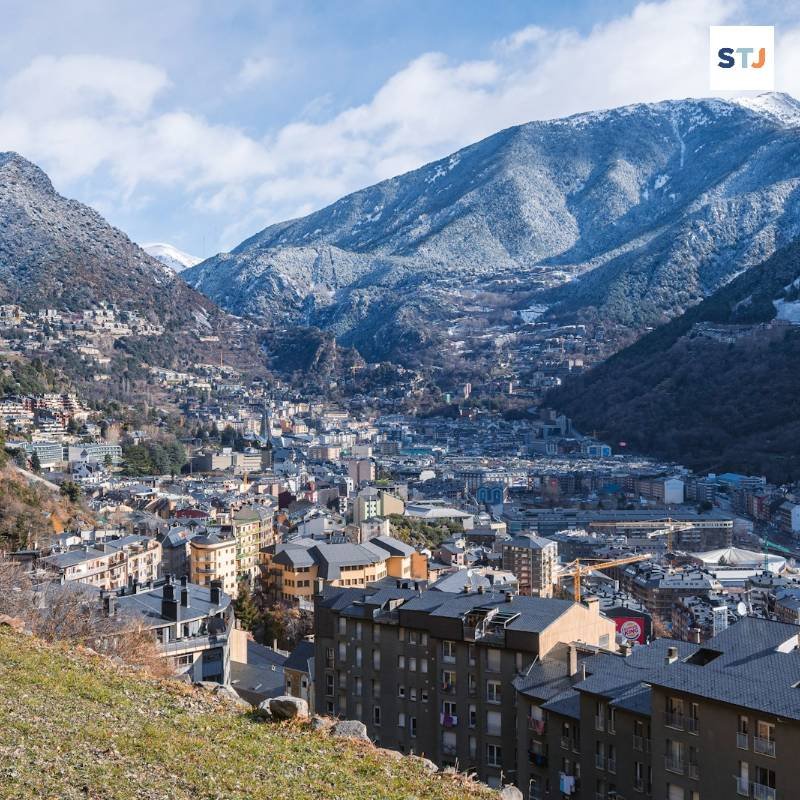
The «Cuina Tradicional d’Andorra» label protects a corpus of 438 recipes, 120 of them considered living heritage. Èric Frigola asks what happens to the craft beers and chocolates that don’t fit the rules, and suggests looking to the margins. If you travel to Andorra, look for the label… and for those who don’t have it.
👉 Read the full story: Andorran cuisine: when identity becomes a label
6. Vegueta, Las Palmas de Gran Canaria: food as integration

In the historic quarter of Vegueta, Bintou, a migrant cook and co-founder of Café Chic, shows that Canarian food is also written in the accents of those who arrive. A story about how cooking can become a space for integration and sustainable tourism on an island closer to Africa than to Europe.
👉 Read the full story: Flavours of Gran Canaria: tradition and innovation in Vegueta
7. Athens: a matcha among the ruins

Seven minutes from the Acropolis Museum, a brunch in the Ilisia neighbourhood becomes the starting point for a sensory chronicle of contemporary Athens, where the Japanese tradition of matcha meets marble and everyday neighbourhood life.
👉 Read the full story: Between ruins and modernity: a matcha in the heart of Athens
8. Da Nang and Hoi An, Vietnam: going home through food

Chloe Nguyen returns to her home town with a traveller’s eyes: dawn among fishermen, markets, the Hai Van Pass and a loud family feast that answers the question of where she’s from. Food as a compass for belonging.
👉 Read the full story: Not a Tourist, Not Quite a Local in Central Vietnam
9. Mexico City: food as a tourism engine

From street stalls to fine dining, Mexico City describes itself as a mosaic of flavours. An interview with the city’s Tourism Department about the arrival of the Michelin Guide in Mexico and, above all, its work with traditional cooks.
👉 Read the full story: Mexico City: a destination where food takes centre stage
10. Tzintzuntzan, Michoacán: maize on the Day of the Dead

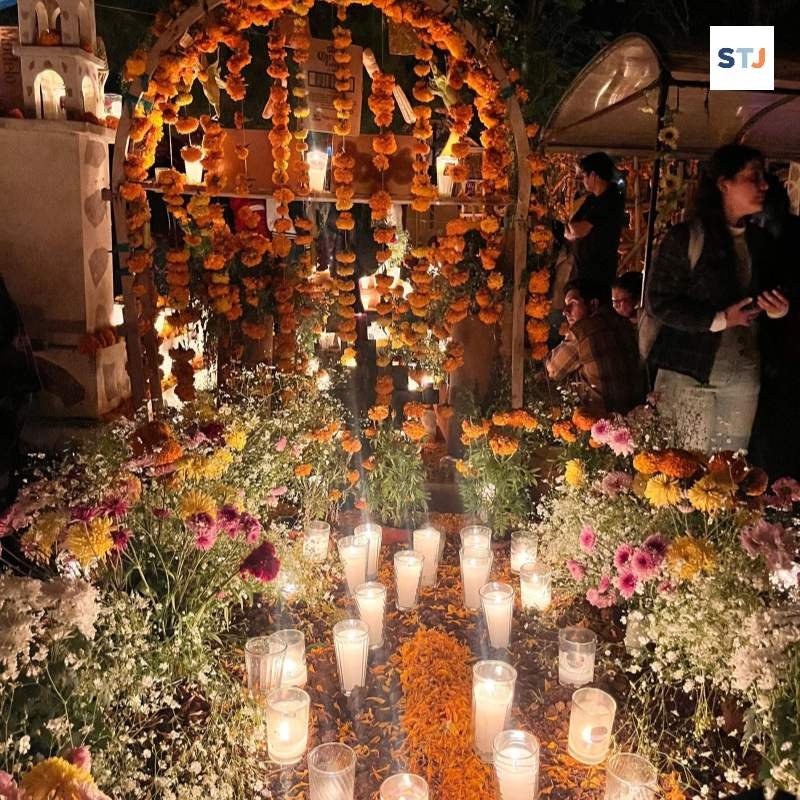
Green corn atole, bean tamales and pan de muerto: Rafael Pérez Segnini travels to Tzintzuntzan to tell the story of maize as the root of Purépecha cooking and as the bond between the living and the dead. It’s no coincidence that UNESCO recognised traditional Mexican cuisine with Michoacán as its paradigm.
👉 Read the full story: Between smoke and flowers: a Day of the Dead chronicle from Tzintzuntzan
11. San Luis Potosí: mezcal, medicinal herbs and the cooks of the Altiplano

The «Olores y Sabores del Altiplano Potosino» route links Venado, Charcas, Moctezuma and Matehuala around mezcal, regional cooking and knowledge of medicinal plants. A food-travel destination still waiting to be discovered.
👉 Read the full story: Food tourism in San Luis Potosí: flavours, traditions and the future
12. Puerto Rico: the «Chinese food» nobody talks about

The «combinación china» is part of everyday life in Puerto Rico, yet hardly anyone knows the community that made it possible: immigrants, some of them political prisoners, who helped build the island’s roads and created a hybrid cuisine that is now Puerto Rican.
👉 Read the full story: Between data and history: «Chinese food» and an invisible memory in Puerto Rico
13. Corn Island, Nicaragua: the Caribbean missing from the national menu
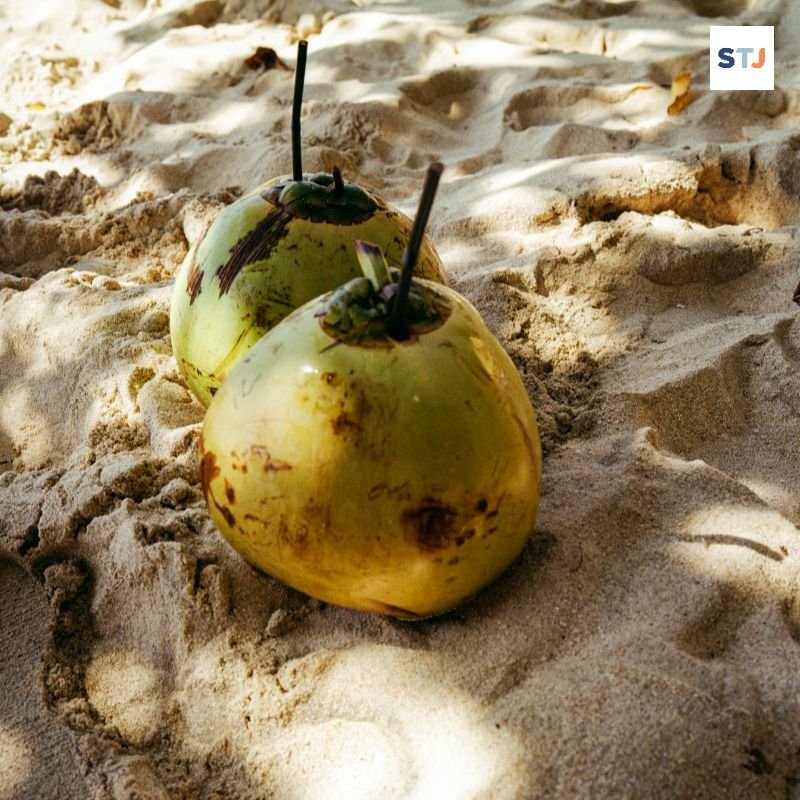
When TasteAtlas named Nicaraguan cuisine the best in Central America, not a single Caribbean dish made the cut. Jessica Salas makes the case for Corn Island’s rondón, patí and coconut bread: the perfect example of what rankings fail to see.
👉 Read the full story: Nicaragua: the national menu needs more Caribbean
14. Carabobo, Venezuela: memory told from the stove

With «Mamazory», co-founder of Carabobo Gastronómico, Ana Gabriela Quiñones traces recipes that arrived from Curaçao, Spain and Africa and now shape Carabobo’s culinary identity, from arepas to pasticho and grandmother’s cooking.
👉 Read the full story: Carabobo told from its stoves
15. When food starts performing for the visitor (anywhere)
We end with a useful warning for any trip: the commodification of culture. Èric Frigola explains how some destinations soften or exaggerate their food to make it more «consumable», and what role journalism plays in deciding which food cultures we make visible.
👉 Read the full story: When food starts performing for the visitor
What rankings don’t measure
None of these stories competes with the world’s great restaurants, and none needs to. Together they map out another way of travelling through food: listening to the people who produce it, understanding the land and asking who really benefits from food tourism. That’s exactly what we teach on the Master in Gastronomic Journalism and Communication at the School of Travel Journalism, where most of these stories began.
Frequently asked questions
What is food tourism?
It means travelling to get to know a place through its food and drink: markets, producers, traditional recipes, festivals and restaurants. Done well, it keeps money in the local economy and helps preserve trades and products.
Why don’t these cuisines appear in rankings?
Lists such as The World’s 50 Best assess individual restaurants. Market cooking, street food or a community’s everyday dishes don’t compete in those categories, even when they are the culinary heart of a destination.
How can I learn to write about food and travel?
With practice and method. On the Master in Gastronomic Journalism and Communication and the Master in Travel Journalism at the School of Travel Journalism, students learn to research, write and publish stories like the ones on this list in Viajar & Crear.
Want to tell the stories rankings miss? Discover the Master in Gastronomic Journalism and Communication at the School of Travel Journalism.