
By Karla Salinas
Mexico City’s food scene describes itself as a mosaic of flavours, with genuine delicacies on every corner at almost any time of day. From street stalls with affordable menus to fine-dining restaurants, the city has become a culinary paradise, especially for anyone who wants to put their taste buds to the test.
To go into more detail, we decided to speak to the Director General of Competitiveness at the Tourism Department, Katia Vanessa López González, who, drawing on her expertise, explains just how important food is in the eyes of travellers arriving in Mexico.
Mexican cooking as a marker of identity
Food is a fundamental part of a city’s culture and identity, she explains, stressing how it makes places unique compared with other destinations.
Mexican cuisine is especially significant because of its great cultural and historical richness: pre-Hispanic techniques have survived alongside others brought over from Europe, features that have earned it a place on UNESCO’s list of Intangible Cultural Heritage.
She points out that the arrival of the Michelin Guide in Mexico has given tourism a real boost, allowing travellers to discover an immense range of flavours, places and prices — not least because a taquería has already earned the international distinction. It is a recognition that helps Mexico stand out from other countries as a food destination.
“Mexico City is so vast and has so much on offer that it is open to every kind of visitor. The
distinctions are beneficial because, when people arrive in Mexico City, they can find
prices to suit every type of tourist. Its strength is its diversity,” she says.
Working with Michelin-starred chefs
Given the great benefits brought by the arrival of Michelin stars in Mexico City and in Mexico as a whole, the director explains that the department has already had the opportunity to work with several Mexican chefs who have been awarded these coveted stars.
One she remembers most is executive chef Jorge Vallejo of Quintonil, who every year brings food journalists from different countries to visit various parts of the city that are crucial to food and drink businesses.
“With him we have toured the Central de Abastos, Cuemanco and Xochimilco. They [the food journalists] didn’t know these places, so they came away delighted,” she says enthusiastically.
Preserving and promoting local food
With the number of tourists in Mexico on the rise, we asked her whether steps are being taken to support and protect local food. She did not hesitate, explaining that they run many programmes for traditional cooks: “We have trained 60 to 70 traditional cooks from different boroughs of Mexico City. We have trained them in entrepreneurship, social media and food preparation to hygiene standards. They are happy to receive this training. They asked us for language courses, and we have given them those too.”
What is more, she stresses that alongside the training, the department also helps them with publicity and promotion at food fairs, which allows them to attract new customers.
The dish that defines Mexico City
By then we had warmed to each other, so to close the interview I asked her directly which dish everyone should try when visiting Mexico City, and for a piece of advice for future travellers wanting to discover the city’s flavours.
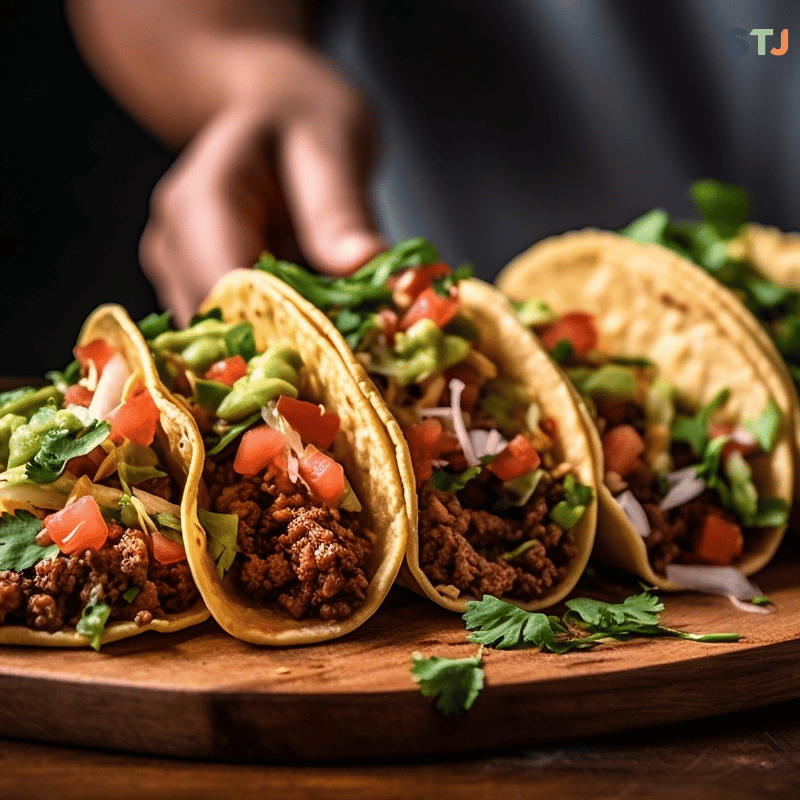
She explained that it is a constant topic of debate among her colleagues, given the enormous variety on Mexican menus. In the end she concluded that everyone should try tacos al pastor; although the dish has Arab roots, it has become an essential part of every taquería.
As for newcomers wanting to explore the local cuisine, she recommends that they try everything once they set foot in Mexico — soft drinks, desserts, food in general and fruit — without limiting their palate, and she left us with this:
“Let them try everything, because here in Mexico City the food is the best in the
world; there is everything to eat and drink, desserts, fruit — the variety of
fruit here is immense. Eat everything, try everything, don’t hold back. On any
corner, in any restaurant, you will find something delicious to eat.”
And so our meeting with Katia Vanessa López González came to an end. Drawing on her years of experience, she gave us a clear picture of the food culture of Mexico City and of the steps the Tourism Department has taken to support it.
Personal reflection
As I am taking the dual option of the master’s, I used my tourism interview with Mexico City’s Director of Tourism Competitiveness to cover food as well, a strategy that made the assignment easier and cut down on research. Even so, when my request was taking a long time to be answered, I had considered interviewing the Culture Department, who told me that the tourism staff were best placed to answer my culinary questions.
The hardest part was waiting for a reply, with the main worry being that I would not be able to hand in the project on time. Nonetheless, it was a great opportunity to experience the process of arranging an interview from scratch, directly and without intermediaries.
One challenge when writing was trying to include as much information as possible: given the length of the article, it was not possible to include the answers to all ten questions, something I also experienced with the tourism interview.
As for how I felt during the process, being clear about the purpose of the project earned me a positive response and great openness from the director, so the meeting was friendly throughout.
One of the lessons I took from the assignment is the importance of planning: thanks to it, I had enough time to research the people involved, prepare the questions and write the piece calmly, without being pressed for time.
Another was the importance of checking that recording apps work. During the conversation I realised that Zoom video calls can no longer be recorded for free, so you have to pay for the service. Although it cost me a few seconds of the conversation, luckily I was able to record the whole interview with my phone’s voice recorder and keep everything that was said.
Interested in writing about travel that explores the extraordinary? Discover the Master in Travel Journalism and the Master in Gastronomic Journalism and Communication at the School of Travel Journalism.