
By Ingrid Julve
Some classes don’t just inform you: they confirm thoughts you’ve been mulling over for a long time. The first session of Advanced Food Journalism with Luis Concepción Sepúlveda was exactly that. I went in not knowing what to expect, almost on autopilot after a day’s work, but after fifteen minutes of introduction there was a twist.
Gastronomy as a hierarchy
Luis began by talking about gastronomy as a social phenomenon: a territory that brings together culture, history, identity, tourism, economics and memory. A broad, honest, open definition. But he quickly zoomed in on the central paradox: gastronomy likes to think of itself as inclusive, yet it works as a deeply hierarchical system. And then he came out with the sentence that made me prick up my ears:
“Definitions of gastronomy are always tied to cooking. People don’t understand the term outside the culinary arts, when gastronomy is much more than cooking: it’s ice cream making, pastry, wine service… For many media outlets nothing exists except kitchens and Michelin stars.”
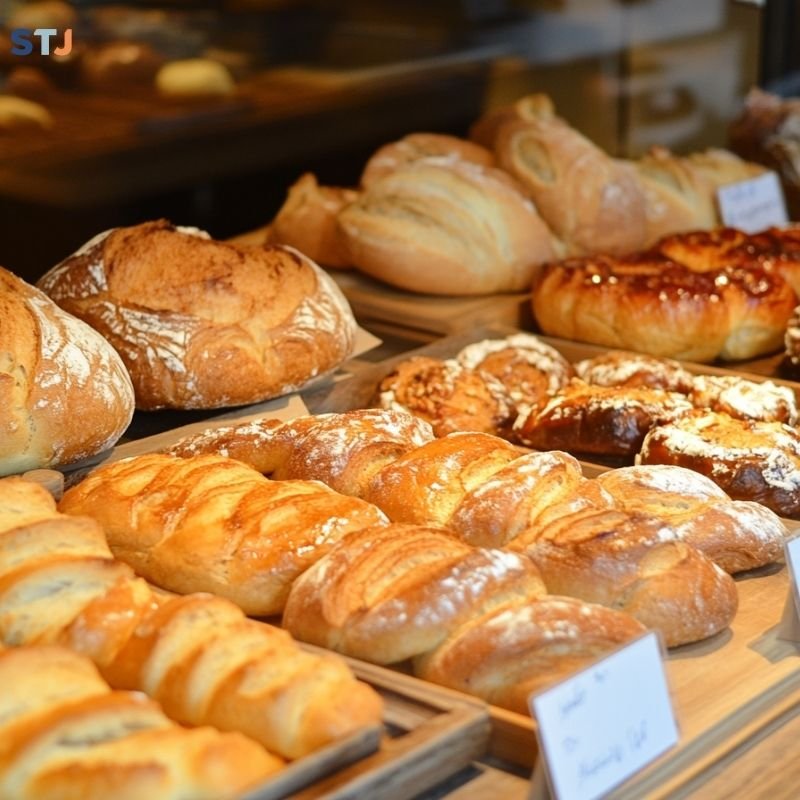
Brutal. And devastatingly true. Without drama or exaggeration, he followed it with the pyramid explanation that set off my inner round of applause: “Beneath the kitchen, the altar of culinary prestige, comes pastry, with a little more glamour and attention… but still subordinate.”
Pastry, a trade in the background
That sentence summed up my professional journey in a single line. My years as a pastry chef in fine-dining restaurants (with and without Michelin stars) bore out what Luis said: a craft that is admired, yes, but always in the background; a creative space, yes, but subordinate to the rhythm of the savoury kitchen; flawless technique, yes, but relegated to that final flourish people “have if they’ve got room”.
Pastry lives in a strange limbo: eye-catching enough to attract attention, but never enough to lead the gastronomic narrative. And below it, in an infuriating invisibility, are other essential trades: ice cream makers, bakers, bartenders, sommeliers, artisans without a famous surname.
The sea nobody sees: fishing in La Safor
That’s when the class started to strike another chord: invisibility outside the kitchen is not an isolated case. And that idea connected with my final master’s project on sustainable fishing in La Safor, on the Valencian coast. So many people have told me: “You should write about farming. Fishing is doomed. What matters now is the land.” That comment carries exactly the same prejudice that relegates pastry: the tendency to value what is visible.
You can see the land; it’s where we live. The sea, you can’t. Farming has its landscape right before our eyes; fishing happens before dawn, in a habitat not associated with human comfort. It requires moving about in a different way. That’s why many people have decided to stop looking at the sea. But reality is stubborn: Mediterranean gastronomy cannot exist without fishing. Neither can our recipes, our culinary memory or our local economy. Fishing sustains far more than a sector: it sustains an entire identity.
Writing from the margins
That understanding is what drives me: writing from the margins, from the trades that hold up a system without anyone celebrating them. Giving value to those who work at the essential end. My final master’s project is not just a piece of research: it’s my way of challenging the hierarchy. Gastronomy isn’t only what shines; it’s what makes the shine possible. It means turning to the fishermen, fish auctions, boats and humble kitchens that have fed generations without microphones or spotlights.
This is my voice as a journalist: understanding and valuing gastronomy from its foundations, looking towards what really feeds us. Like a flavour that lingers after the last bite, that class still resonates with me, reminding me that I’m not here to narrate what already comes gift-wrapped, but to ask which voices are left out and bring them back to the centre of the story.
Ingrid Julve wrote this piece as part of their training at the School of Travel Journalism. If it inspired you, take a look at our Master in Travel Journalism and our Master in Gastronomic Journalism and Communication, watch our students’ travel documentaries on YouTube and listen to their stories on our podcast on Spotify.
Interested in writing about travel that explores the extraordinary? Discover the Master in Travel Journalism and the Master in Gastronomic Journalism and Communication at the School of Travel Journalism.