
By Irma Gonzalez
Experiencing a place’s culture through its food and drink is one of the most authentic ways to travel. With this in mind, the Tourism Department of San Luis Potosí has worked with the state and municipal governments to develop food routes that let visitors discover the state’s culinary riches.
One of the most emblematic projects is “Olores y Sabores del Altiplano Potosino” (Aromas and Flavours of the Potosí Highlands), led by María del Carmen Guerrero Esquivel. The initiative brings together the municipalities of Venado, Charcas, Moctezuma and Matehuala in a tourist route that combines tasting traditional dishes and drinks with the ancestral wisdom of herbal medicine. Mezcal, regional cooking and knowledge of medicinal plants become a bridge to the cultural identity of the highlands.
Rosa María Gutiérrez Salgado, head of tourism promotion with 26 years at the institution, stresses that projects like this aim to position the state as a benchmark for food tourism in Mexico.
A gathering of traditional cooks
At federal level, a gathering of traditional cooks is being planned for 2026, in which San Luis Potosí will play an active role. The state Tourism Department is identifying popular cooks in different regions of the state, with the aim of rescuing ancestral recipes and giving Mexican cooking greater visibility.
Past experience supports this effort: in 2019 several cooks from San Luis Potosí took part in the Festival of Life and Death at Xcaret, where the state was the guest of honour. The event opened the door to new collaborations and allowed Potosí cooking to be showcased on national and international stages.
Beyond traditional cooking, craft beer and regional wine have also been promoted, diversifying the state’s food offer and strengthening its culinary identity.
Challenges in documentation and continuity
One of the main challenges has been the loss of information when administrations change. Although there are anthropological studies and projects developed with El Colegio de San Luis, many programmes have been left unfinished or have lapsed over time.
At present, only one tour operator, Auténtico San Luis, offers mezcal routes and local food tours. This shows the need for greater continuity and institutional support so that projects outlast a single term of government.
Budget and training
Budget management has been key to supporting traditional cooks at various events. When the state budget falls short, municipal governments have stepped in to ensure local representatives can attend.
Resources have also been invested in training courses on food hygiene and in certifications such as Distintivo H, Punto Limpio and Moderniza. The latter was particularly successful in the Media Luna area, where the community was supported in organising its tourism infrastructure, according to the official.
The current federal administration aims to revive these programmes and give them fresh impetus, although the lack of alignment between local and federal electoral calendars remains a challenge. Staff turnover at the state department tends to hold back joint projects, which makes it essential to have officials who outlast administrations and ensure continuity.
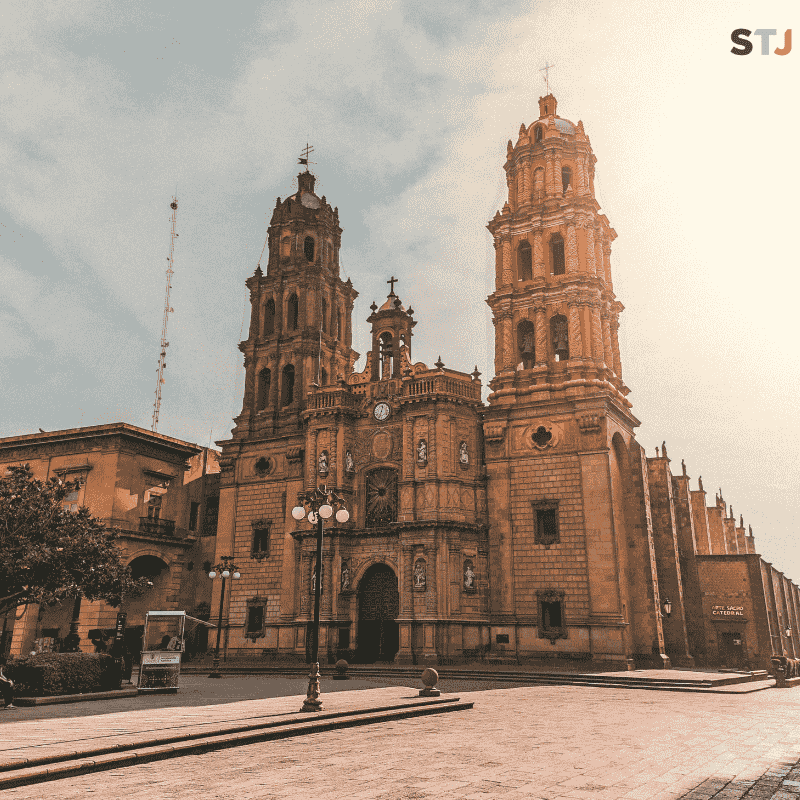
San Luis Potosí: a surreal destination
With its natural, cultural and culinary riches, San Luis Potosí is a state that surprises at every turn. “That is why we are Mexico’s surreal destination,” says Rosa María Gutiérrez Salgado, highlighting the range of experiences the region offers.
Reflections on writing this food tourism article
Writing this article on food tourism in San Luis Potosí was both a rewarding and a challenging process. One of the main difficulties was arranging the interview with staff at the state Tourism Department, whose diary was packed with national and municipal events. This caused delays and meant I had to be patient and persistent to reach the right person.
The wait, however, was worth it. The interviewee, with more than two decades of experience, shared information not only about current programmes but also about past and future projects. This broad knowledge helped me understand the continuity and challenges facing food tourism in the state, especially when it comes to documenting programmes and coordinating between administrations.
During the conversation I discovered things I had not known, such as the anthropological studies carried out with El Colegio de San Luis, which have served as the basis for designing mezcal and food routes in the highlands and the Huasteca. These findings broadened my view of how traditional food and drink become a bridge to cultural identity and a tool for tourism development.
The interview was not just a formal exchange of questions and answers; it became a warm and engaging conversation. We shared an interest in tourism and food, which made the dialogue flow naturally.
In short, this experience taught me a clear lesson: food tourism is not just about tasting dishes or drinks, but about understanding the history, traditions and efforts of the communities that keep them alive. Patience and perseverance during the process were rewarded with in-depth knowledge that enriched both the article and my own view of tourism in San Luis Potosí.
Interested in writing about travel that explores the extraordinary? Discover the Master in Travel Journalism and the Master in Gastronomic Journalism and Communication at the School of Travel Journalism.