
By Alba Marti Florit
Inside the warm, smoke-filled rukas of Wallmapu, Mapuche-Pehuenche women are turning a sacred mountain seed into an act of cultural sovereignty; and rewriting the rules of indigenous travel.
The smoke does not burn inside the ruka; it embraces. It settles low beneath the high straw roof, thick with the scent of dry oak wood and the sweet, humid steam of a heavy iron pot left to simmer over the central hearth: the kutral. Outside, a cold Southern Cone rain washes over the forested mountain valleys of Araucanía, but inside, the world shrinks to the radius of the fire.
In the soft twilight cast by timber walls, the hands of the papay (the respected Mapuche elder) move with an unhurried, rhythmic precision. She plunges her fingers into a bowl of boiling pine nuts, peeling back the thick, leathery skin of the ngilliu without flinching. Decades of harsh mountain winters have toughened her hands, turning them into living maps of this landscape.
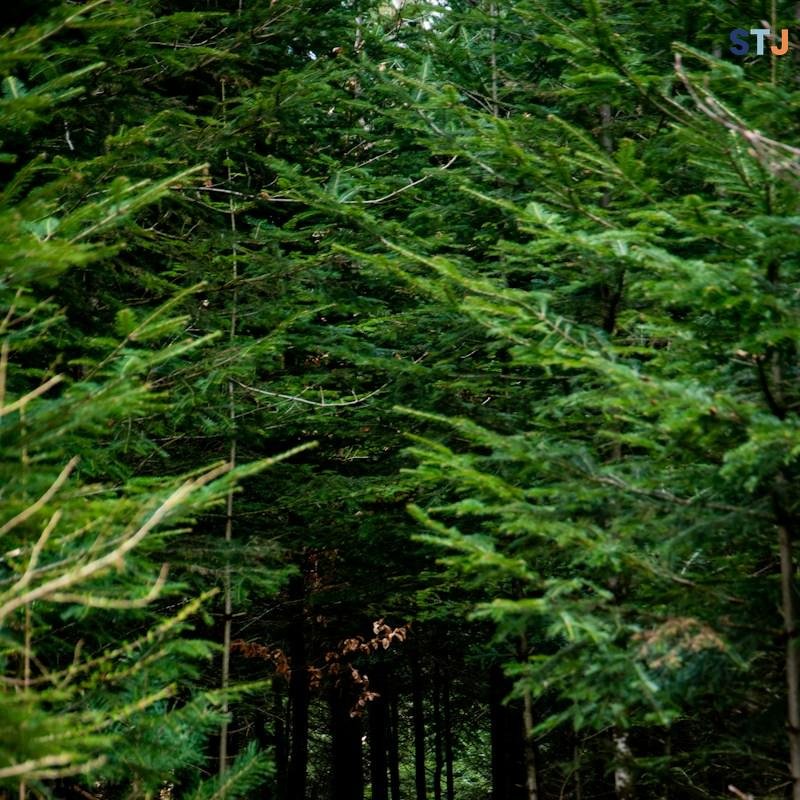
To the ngilliu — the sacred seed of the pehuén tree (Araucaria araucana) — it takes over a thousand years to reach its full height, anchored deeply in the volcanic soil of Wallmapu. To the Pehuenche women, it takes barely a childhood to learn its language. For generations, gathering the piñón between March and May was a quiet act of seasonal survival and spiritual identity. Today, however, inside this smoke-perfumed room, the seed has taken on a new life: it has become the anchor of a quiet, stubborn revolution where indigenous women are defining the boundaries of their own representation.
As the camera lens rolls for a documentary shot, capturing the steam rising into the shadowy rafters, the papay does not pose. She simply continues her work. The narrative here is not staged for an audience; the audience is merely invited to sit quietly on wooden benches, breathing in the woodsmoke, and learning how to listen.
In traditional travel brochures, Community-Based Tourism in southern Chile is frequently packaged as a colorful, exotic getaway; an invitation to step back in time or snap photos of ancient traditions. But when you step across the wooden threshold of a Mapuche ruka and sit by the fire, those romanticized marketing tropes dissolve instantly.
Here, tourism is not a performance. It is a boundary.
The women who stayed
In Wallmapu, this new model of travel indisputably carries a woman’s face and a woman’s presence. For decades, economic pressure forced the men of these mountain valleys to leave their communities for months at a time, working low-wage jobs in distant urban centers or industrial forestry plantations. The women stayed behind. They held the social fabric together, tending the chakra (home garden), caring for children, preserving heirloom seeds, and holding fast to the oral history of their ancestors.
When community-led tourism initiatives began to take shape across the region, it was these women who stepped forward to lead. They did not wait for institutional permission; they simply opened their doors on their own terms.
The hearth is a front line
Mainstream food and travel media often treats regional cuisine as a collection of recipes: an aesthetic mix of textures, plating techniques, and flavor profiles. But looking through an immersive, decolonial lens reveals that inside a ruka, the hearth is a front line.
The pehuén tree is currently facing unprecedented threats from climate change, severe droughts, forest fires, and the historical displacement caused by commercial timber industries. When Pehuenche women make the piñón the core of their culinary offerings, they are not just serving food; they are asserting a direct claim to environmental and territorial survival.
Every meal shared inside the ruka becomes an intimate lesson in environmental history. As a visitor picks up a roasted piñón, its exterior warm and blackened from the embers, the host shares the story of the tree: how it takes twenty-five long years for a female Araucaria to bear its very first cone, and how a single tree can nourish a community for centuries if left unharmed.
This shift completely dismantles the consumer mindset of modern travel. The host does not adapt her identity to fit the visitor’s expectations. Instead, the traveler must slow down, quiet their voice, and adapt to the living realities of a sovereign community.
“Tourism for us cannot be a spectacle where we dance or sell our rituals for a photo. Entering our home requires respecting our rhythm, our land, and our küme mongen; our vision of the good life. If a guest comes, they sit at our table and they eat what the earth provides when the earth chooses to give it.”
Elisa Cea, traditional Pehuenche cook
Pillars of female leadership in Wallmapu CBT
- Economic autonomy. Processing raw seeds into flour, beverages and gastronomy to bypass predatory middlemen.
- Decisional sovereignty. Women strictly manage visitor intake, seasonal calendars and sacred community boundaries.
- Reclaiming elder wisdom. Re-establishing the papay as the central economic, cultural and gastronomic authority.
“When you show a guest how much patience the forest requires, the act of eating changes. They stop consuming the experience like a product. They realize they are standing inside a living sanctuary that has sustained us through centuries of struggle.”
Papay Dora, family gatherer
What the journalist has to unlearn
For travel journalists and documentary filmmakers working in indigenous territories, telling these stories requires a radical unlearning. For more than a century, travel literature has treated native communities with a blend of exoticism, romantic nostalgia, or condescending pity. Writers searched for static, idealized pictures of the past while ignoring contemporary political struggles, land rights, and structural neglect.
Immersive journalism demands something different: active listening and deep presence. It requires stepping away from the rush of tight shooting schedules to inhabit the time of the piñón: a slow, seasonal rhythm dictated by the maturation of the pine cone, the shift of the mountain wind, and the patience required to roast a seed over open coals.
When we document female leadership through the lens of community-based cuisine, the camera and the notebook cease to be tools of extraction. They become mirrors. They challenge the reader and the viewer to question their own consumer habits, their relationship with the natural world, and their assumptions about what “progress” truly looks like.
When the visitors leave
As late afternoon descends upon the valleys of Araucanía, the mountain mist thickens, wrapping its grey tendrils around the sharp silhouettes of the pehuenales. Inside the ruka, the roaring flames of the kutral slowly settle into a steady bed of glowing red embers. The day’s visitors have left, their boots squelching down the muddy path toward the main road.
But inside, the work does not stop. The steady, weathered hands of the women continue sorting through freshly gathered piñones, setting aside the firmest seeds for tomorrow’s dough.
Community-Based Tourism is not a cure-all. It does not instantly resolve decades of territorial displacement, economic marginalization, or political tension in Wallmapu. Yet, within the warm wooden walls of these kitchens, something profound has taken root.
Through the rich, nutty aroma of the roasted piñón, the women of these mountain valleys have invited the world to sit down at their hearth: strictly on their own terms. With every plate of food passed across the fire, they are offering more than sustenance. They are sharing the quiet resilience of a culture that refuses to be silenced, led by the women who keep the flame of memory alive.
Alba Marti Florit wrote this piece as part of her training at the School of Travel Journalism. If it inspired you, explore the Master’s Degree in Travel Journalism and the Master in Gastronomic Journalism and Communication, watch our students’ travel documentaries on YouTube, and listen to their stories on our Spotify podcast.
This article is part of the practical work carried out by students on the Master’s Degree in Travel Journalism at the School of Travel Journalism.