
By Chloe Nguyen
Beyond the Backpack: Vietnam’s Bold Tourism Transformation in 2026 Amid the rhythmic chorus of motorbike horns and the aromatic steam of Pho soup along the street, Vietnam is undergoing a profound transformation. The “S-shaped” country is no longer merely a stop on the backpacking trail, instead, it is rapidly repositioning itself as a Southeast Asian travel hub. Data from the Vietnam National Authority of Tourism’s 2025 Annual Statistical Report illustrates that the country is in a high-growth state. The Ministry of Culture, Sports, and Tourism recorded over 21 million international visitors in 2025, and has set a target of 25 million for 2026.
The Traveler Profile
“Vietnam is tapping into a new level of global appeal,” says Scarlet, a sales manager at AVG Travels Agency based in Hanoi. According to her observations, the modern inbound market is dominated by couples and solo travelers, who now make up 70% of visitors. The market remains anchored by travelers from India, Korea, and China. Korean and Chinese tourists tend to gravitate towards Central Vietnam, drawn by the convenience of short, affordable direct flights. In contrast, Western tourists, a demographic surging in the post-pandemic era, are favoring the North.
“Western travelers are increasingly drawn to Hanoi and the northern highlands such as Ha Giang Loop” Scarlet explains. “They are looking for nature and those magnificent, iconic scenic views that the northern landscape offers.”
The “Silver” Sector and the Budget Divide
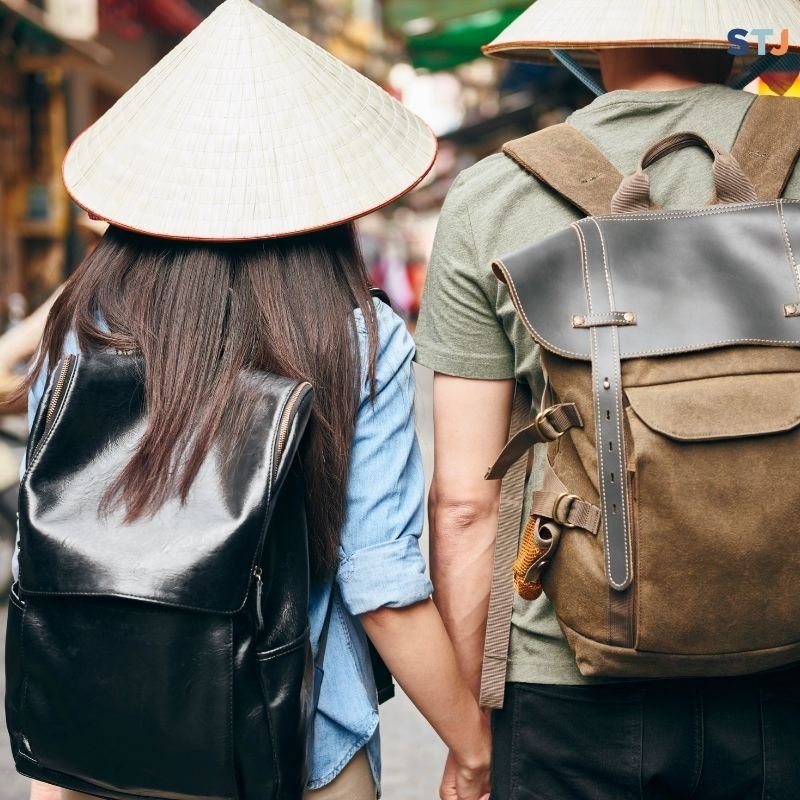
In Scarlet’s office, a specific niche is thriving: the Australian senior. Travelers aged 60 and over are spending between $1,500 and $2,000 for 10-to-12-day itineraries that balance relaxation with “cultural digging”. This luxury-leaning market can still perfectly exist alongside the current travel scene. As Vietnam becomes easier to navigate, a wave of budget-conscious independent travelers is arriving. The country’s post-pandemic recovery has actually outpaced its pre-pandemic growth, fueled by a reputation for being “budget-friendly” across all tiers, from gritty cultural expeditions to high-end resort vacations.
The Power of the “Scroll”
What is driving this sudden influx? Beyond the rich history and deep culture that have always attracted Westerners, Scarlet credits an ongoing digital marketing push across social media.
“The marketing strategies and promotion on social platforms have made a huge impact,” she notes. The visual allure of Vietnam’s landscapes, paired with a reputation for genuine local hospitality, has turned the country into a “viral” destination. The peak seasons – Christmas and summer – see travelers arriving not just for the weather, but for the lifestyle they’ve seen documented online.
Growing Pains: Infrastructure and Air Quality
Despite the glowing statistics, the transition to a “top-tier” destination is unfortunately still met with significant friction. Both Scarlet and her clients highlight several “pain points” that threaten to hold the national industry back:
The First Impression: Arrival at local airports is often marred by long queues and a lack of “fast-track” options, creating a stressful start to the Vietnamese experience. The Hygiene Gap: While the street food scene is a major draw, Scarlet notes that “hygiene anxiety” remains a significant barrier for some of her Western clients. They express concerns about food safety standards during their initial bookings. Urban Overwhelm: The interviewee suggests that the chaotic image of Vietnamese traffic, often popularized by viral “nerve-wracking” Tiktok memes, remains a primary concern for incoming tourists. However, tourism agencies are increasingly opting for “pedestrian-friendly” tours to mitigate this anxiety. The Environmental Cost: Scarlet also notes that the reliance on motorbikes has led to severe air pollution. According to real-time monitoring from IQAir AirVisual platform on April 1st, 2026, Hanoi’s Air Quality Index (AQI) was recorded at 137, placing the city in the “unhealthy” range, a factor that may increasingly deter health-conscious travelers.
Vietnam possesses a significant potential for tourism expansion, backed by a culture and hospitality that provide a distinct competitive advantage in the crowded Southeast Asian market. However, as the country aims for 25 million visitors in the coming year, the challenge will be balancing this rapid growth with the urgent need for addressing pain points mentioned. However, for now, the steam of Pho soup and the hum of motorbikes remain Vietnam’s signature.
Chloe Nguyen wrote this piece as part of their training at the School of Travel Journalism. If it inspired you, explore the Master’s Degree in Travel Journalism and the Master in Gastronomic Journalism and Communication, watch our students’ travel documentaries on YouTube, and listen to their stories on our Spotify podcast.
Read more on Travel & Create: I Threw a Dart at a Map… and Ended up in Kyrgyzstan · Walls that Speak: A Journey Through Rome’s Street Art.
This article is part of the practical work carried out by students on the Master’s Degree in Travel Journalism at the School of Travel Journalism.