
By Ingrid Julve
In an era dominated by global and fusion cooking, there is a bite that holds out, that moves people and that speaks of culinary tradition. Coques de dacsa, golden discs of maize flour scalded with boiling water, toasted on a griddle and filled with whatever was to hand, are becoming the symbol of a generation that doesn’t want to lose what it inherited without asking. Their origin is uncertain, but what we do know for sure is that for decades they were field food and survival cooking.
They were among the stars of the Fiescrem food fair in Xeraco, where we tried them at the stand of Bar L’Estació Casa el Frare. Its owner, Miquel, champions and promotes this scalded dough in his kitchen. But he isn’t alone: producers such as Coques Valdés, which takes this speciality from La Safor to major supermarket chains, are reviving and reinterpreting the classic without betraying its soul. Nowadays wheat flour is added, because otherwise they come out too coarse, and it also brings the cost down.
More than a fad, it’s a reconquest. A way of saying açò també és cuina, «this is cooking too». Coques de dacsa are an edible manifesto, and they are more alive than ever.
A humble history
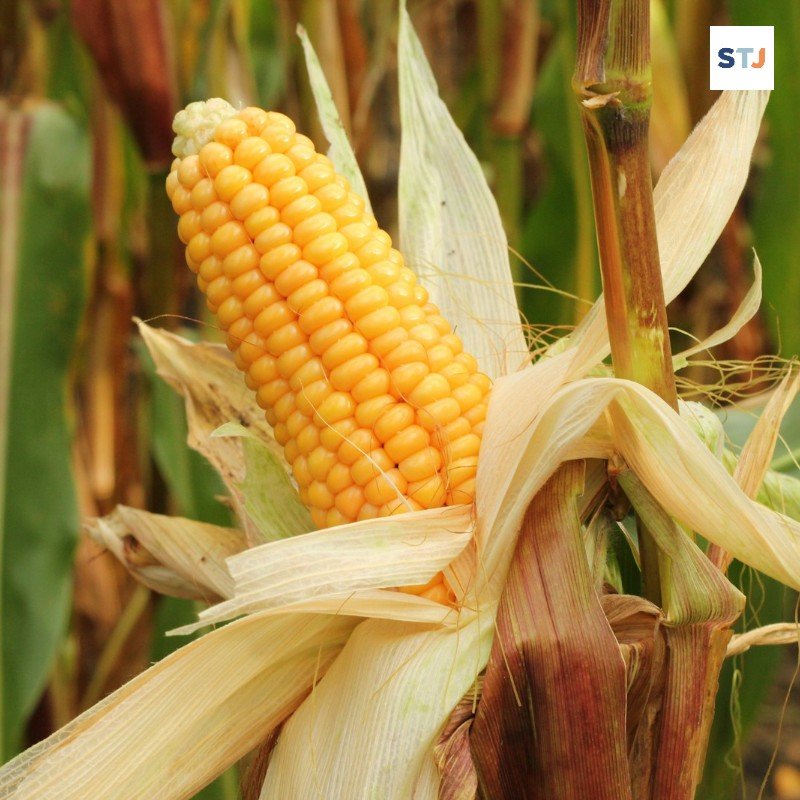
There is no official record of their origin, but there is living information: the oral memory of our grandparents, the taste etched into old kitchens and the legacy of weathered hands kneading maize flour with boiling water. With wheat scarce in the 18th and 19th centuries and maize spreading across Valencian farmland, maize flour began to replace wheat in the most rural homes, and one of the results was this tradition of scalded maize dough.
They were made above all on rainy days, when work in the fields stopped and families gathered at home. Their other name, coques a la calfó, refers to scalding the flour with boiling water, a double-edged technique: it made the dough easier to prepare and warmed the house. Coques de dacsa were born of necessity, of people’s ingenuity in turning what they had into food, and food into identity.
Why they are special
Coques de dacsa are one of those humble treasures barely known outside La Safor and La Marina. This dish can’t be understood without its context. They aren’t just maize flatbreads. They tell the story of a people and the art of getting round hardship. For many, they are the memory of a grandmother who is no longer here.
Hands in the dough
It all starts with maize flour mixed with boiling water, sunflower oil and a pinch of salt. These days wheat flour is added for body, lower cost and easier kneading. «The key is that the water must be at a rolling boil,» says J. C. Valdés, showing me the flame under the mixer bowl. «If the water’s boiling, in goes the flour; if not, don’t even think about it, they’ll turn out badly.» The warm, pliable dough is worked by hand at home, or with a paddle mixer, until it loses its lumps and gains elasticity. No yeast, no fermentation: just simplicity.
Shaped into balls, the portions are pressed between two sheets of paper into thin, round, rustic discs and cooked on a very hot iron griddle or stone. Direct heat gives them character: toasted edges, golden patches and an aroma that recalls unhurried times. But, as Miquel from Bar L’Estació pointed out, «two drops of oil at most, just so they don’t stick».
The icing on the cake is the filling. Here imagination, and the larder, rule. The traditional ones are filled with home-made tomato sauce, grated hard-boiled egg and tinned tuna; the first bite is pure nostalgia. Other versions go for sautéed spinach with tender garlic and peeled prawns, local cured meats or even black pudding with broad beans. For those with a sweet tooth, there’s a sweet option too.
And yes: you fold them with your hands. You eat them in big bites, standing up or in the town square. No etiquette required, because coques de dacsa are eaten with gusto and without filters.
The recipe
Ingredients (makes 20)
- 150 g maize flour
- 300 g wheat flour
- 675 g water
- 6 g salt
- 25 g sunflower oil
Method
- Bring the water and salt to the boil.
- As soon as it boils, add all the flour and turn off the heat.
- Now comes the hard work: stir with a wooden spoon and pour in the sunflower oil.
- Keep stirring until the dough is smooth and lump-free.
- Shape into 55 g balls by hand. No scales? No problem: they didn’t have them before either, so judge the size by eye.
- Flatten each ball between two squares of cling film, using a saucepan (for a perfect circle) or a rolling pin.
- Freeze them between sheets of baking paper.
- Heat a large frying pan with a drop or two of oil and, when it’s almost smoking, cook the coques straight from the freezer on both sides.
Tips: always cook them on the griddle straight from the freezer with just a couple of drops of oil, never in the oven. They’re tastiest freshly made, and perfect for picnics, village breakfasts and food events. The classic filling is tuna, tomato and egg, but they are very versatile: fill them with whatever you like, sweet or savoury.
Keeping the tradition alive
Today, several businesses are dedicated to keeping coques de dacsa alive. Coques Valdés, based in Xeraco, has taken them to international events such as the FITUR international tourism fair in Madrid, with cooking demonstrations and new versions such as coques with orange marmalade. Bars and restaurants across La Safor still serve them, like Miquel at Bar L’Estació in Xeraco with his star minced-meat coca.
Their future depends on a collective will to keep the tradition going: on menus, at food fairs, in the media and, above all, in the interest of new generations in learning and valuing these practices. Every time a coca is made and shared, a bond with the past is renewed and the community grows stronger.
As time goes by, coques de dacsa remain a symbol of identity and of a way of cooking that resists modern haste. Coques de dacsa are here to stay, and letting them fade into oblivion is not an option. You can watch the author’s video report on YouTube.
Ingrid Julve wrote this piece as part of their training at the School of Travel Journalism. If it inspired you, take a look at our Master in Gastronomic Journalism and Communication and our Master in Travel Journalism, watch our students’ travel documentaries on YouTube and listen to their stories on our podcast on Spotify.
Interested in writing about food and travel beyond the obvious? Discover the Master in Gastronomic Journalism and Communication and the Master in Travel Journalism at the School of Travel Journalism.