
By Sandra Gilch
My approach
Through photography I convey the way I see the world. In cultural events I want to capture little details, unique moments that amaze me. That said, it is especially the people’s feelings, their characteristics and attitudes that define my images.
Narrative/atmosphere
In my photos I want to capture how culture moves humans and how humans move culture. Depending on the context and the setting, there are different narratives and atmospheres I aim to convey. For example, I can imagine focussing on one artwork in a museum and photograph different viewers’ reactions in front of it. The photo series would show the different manners one artwork can be perceived.
Photographing a fado concert
As my FMP is about Portuguese fado music, I want to experience fado concerts myself and at the same time make it possible for my readers to discover the concerts through my eyes. Concerts are the most adequate setting for capturing the characteristics of a music style; you get to experience the music ‘in action’ and perceive both the attitudes of the presenting artists and the audience’s feelings and reactions to the music.
Audience and Artists
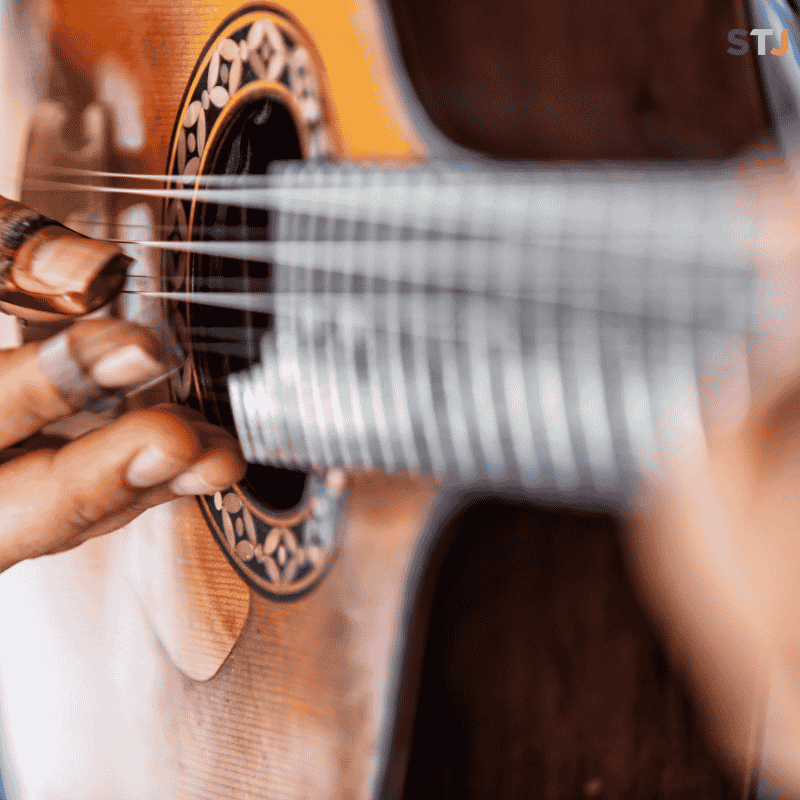
When photographing concerts there are two ‘parties’ to be considered: the artists on stage and the audience. Both will be photographed for others to reimagine the atmosphere at a concert. To get an impression of the whole setting some photos need to be taken in a wide range. For understanding the emotional und musical depth, a more detailed photography is necessary; meaning that I want to zoom in to people’s facial expressions or to moving guitar sites.
Dark Lights
Even though there might be some open air fado festivals, most fado concerts take place at night, inside a fado club with very limited light sources. There is barely natural light inside the clubs, so when photographing the shows you will be facing the challenge to arrange yourself within the light bulbs that are there. Making use of the play of light and shadow, maybe among people in the audience or even within one single face, may showcase the duality of painful and soothing emotions in fado.
A fado photography story
While focussing on the central fado characteristics and the people’s emotions, my fado story would generally consist of the 3 parts: pre – during – after the concert.
(1) At the beginning, there is the empty fado venue, which can already tell a lot about the atmosphere during a concert. Part of this pre-concert-shots is also the stage with or without instruments as well as the musicians’ preparing their act, on stage and backstage (e. g. a shot of them looking in the mirror before they go on stage). Meanwhile, people are entering the venue. Photos might show them from outside entering the fado club, with some impressions of the street they walk in from. While everyone is finding their place, there might be a restlessness inside the room which will harmonize with the first strings being played on the fado guitar.
(2) As the concert starts, there are always the two ‘groups’to be captured at the same time. The photo story retelling the fado concert should be built in the following way: It shows two pictures next to each other, one showing a strong emotional reaction in the audience, the other one showing an expressively strong fado artist when singing or playing an instrument. Below the pictures there will be excerpts from the fado song lyrics being sung when these photos have been taken. This will support the emotional strong images and give the spectators of the photo series a possibility to fully empathize with the fado audience.
(3) After the concert, people feel different than before. This change of atmosphere in the venue as well as in people’s souls might become clearer through a comparison with the photos taken in part 1. Maybe the audience will directly interact with artists, thus their faces can be captured together in a single shot. While the photos during the concert are candid shots, afterwards staged shots of the artists or people from the audience who want to be photographed may round up the photo series.
This article is part of the practical work carried out by students on the Master’s Degree in Travel Journalism at the School of Travel Journalism.