
By Wafa Alnaimi
Horse racing in the Arab world is more than just a sport; it is a vibrant celebration of heritage, strength, and elegance. As I envision myself behind the camera at two of the region’s most prestigious horse racing events—The Saudi Cup in Riyadh and The Dubai World Cup—I am drawn into a world where tradition harmoniously blends with global sophistication. These events are visual spectacles, offering unique challenges and opportunities to craft compelling stories through photography.
- My Approach to Photographing Horse Racing Events
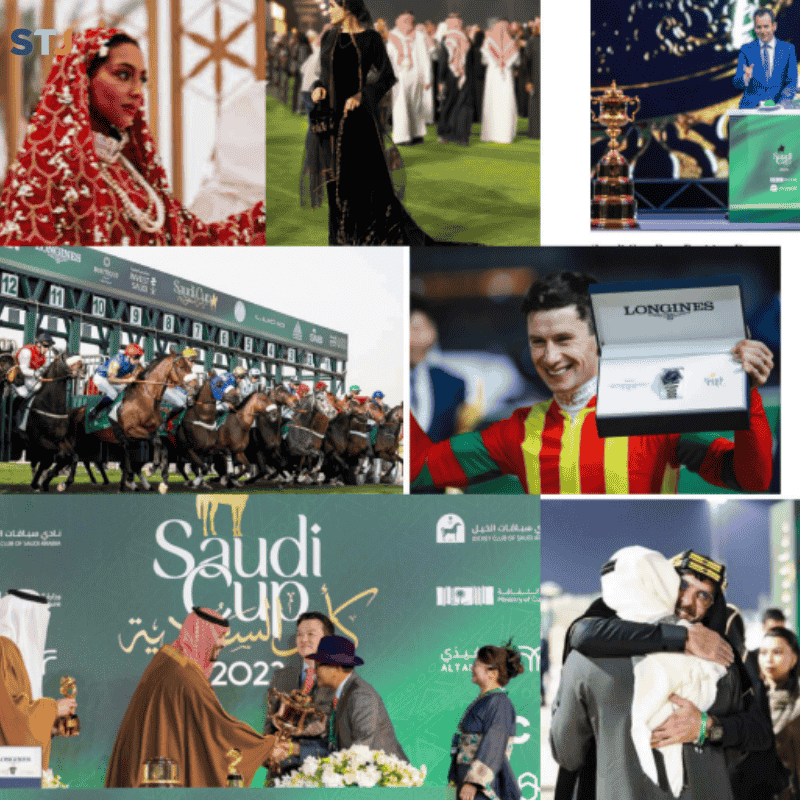
As a cultural photographer, my aim would extend beyond capturing the sheer speed of the horses. I would seek to document the atmosphere, emotions, and deeper symbolism surrounding these iconic races. In The Saudi Cup, I would focus on imagery that conveys the royal grandeur and authentic Arab character of the event. Intimate portraits of jockeys preparing for the race, the golden trophy glinting in the sun, and the powerful stride of Arabian horses kicking up desert sand would all feature prominently in my visual narrative. The audience—men in flowing thobes and women in elegant abayas— would add another rich cultural layer to the story. Meanwhile, at the Dubai World Cup, my lens would shift to showcase the international diversity and contemporary luxury that define the event. Wide-angle shots of grandstands brimming with fashionably dressed spectators, close-ups of extravagant hats and accessories, and sleek silhouettes of thoroughbred horses under Meydan Racecourse’s dazzling lights would capture the essence of Dubai’s cosmopolitan flair.
In both contexts, mastering light would be essential: capturing the warmth and drama of golden hour before sunset, and utilizing low-light techniques for evening races to highlight contrast and motion. - Why These Events? A Visual and Cultural Comparison
Both the Saudi Cup and the Dubai World Cup are grand celebrations of horse racing, yet each has a unique identity and atmosphere that would shape my photographic approach. In Riyadh, the Saudi Cup exudes royal elegance and deep cultural pride. Rooted in tradition, it showcases Arabian horses—symbols of endurance and grace— thundering across desert sands. The audience’s traditional attire, with men in pristine white thobes and women in sophisticated abayas, creates a striking harmony with the majestic racecourse. Every detail, from the ornate golden trophy to the precisely groomed horses, reflects a culture where the horse holds a sacred place in history.
In contrast, the Dubai World Cup embodies an international and cosmopolitan character. Set against the futuristic architecture of Meydan, the event fuses modern luxury with vibrant cultural diversity. Spectators from around the world attend in high fashion, with flamboyant hats and accessories turning the grandstands into a moving runway. The atmosphere is charged, blending the excitement of competition with Dubai’s signature glamour.
For me as a photographer, the Saudi Cup offers timeless authenticity, while the Dubai World Cup challenges me to capture the interplay of tradition and modernity. Both demand technical precision: freezing high-speed action, balancing changing light from day to night, and navigating the privacy needs of high-profile guests.
Through my lens, I would tell two intertwined stories: one of pride and heritage in Riyadh, and another of innovation and global flair in Dubai. These events are not simply about winning races; they are visual symphonies where tradition gallops beside modernity. Capturing these moments would be an honor, offering audiences worldwide a window into the Arab world’s enduring bond with the horse—a timeless symbol of strength, beauty, and freedom.
This article is part of the practical work carried out by students on the Master’s Degree in Travel Journalism at the School of Travel Journalism.