
By Milena Gnedkova
This reflection grew out of the masterclass that travel writer Louis D. Hall, author of In Green, gave at the School of Travel Journalism, where one of his key messages was that you have to feel free as a writer, but also be disciplined.
For many, travel journalism seems like a dream profession — and that’s precisely why we’re all here studying it. There’s a certain romance in packing suitcases, exploring new cities, following spontaneous routes and having the chance to see something beyond home and office. All of this grants enormous creative and intellectual freedom. But the work wouldn’t be what it is without the discipline that turns travel journalism from an unusual hobby into a lifelong calling that pays the bills.
In choosing this profession, you have to remember that it’s not only incredible travel experiences and new acquaintances — it’s also endless deadlines, planning, logistics, accreditations, and edits, edits and more edits. Freedom without discipline risks turning into chaos, while discipline without freedom can make any job utterly routine — and in a creative profession like ours, that’s simply not acceptable.
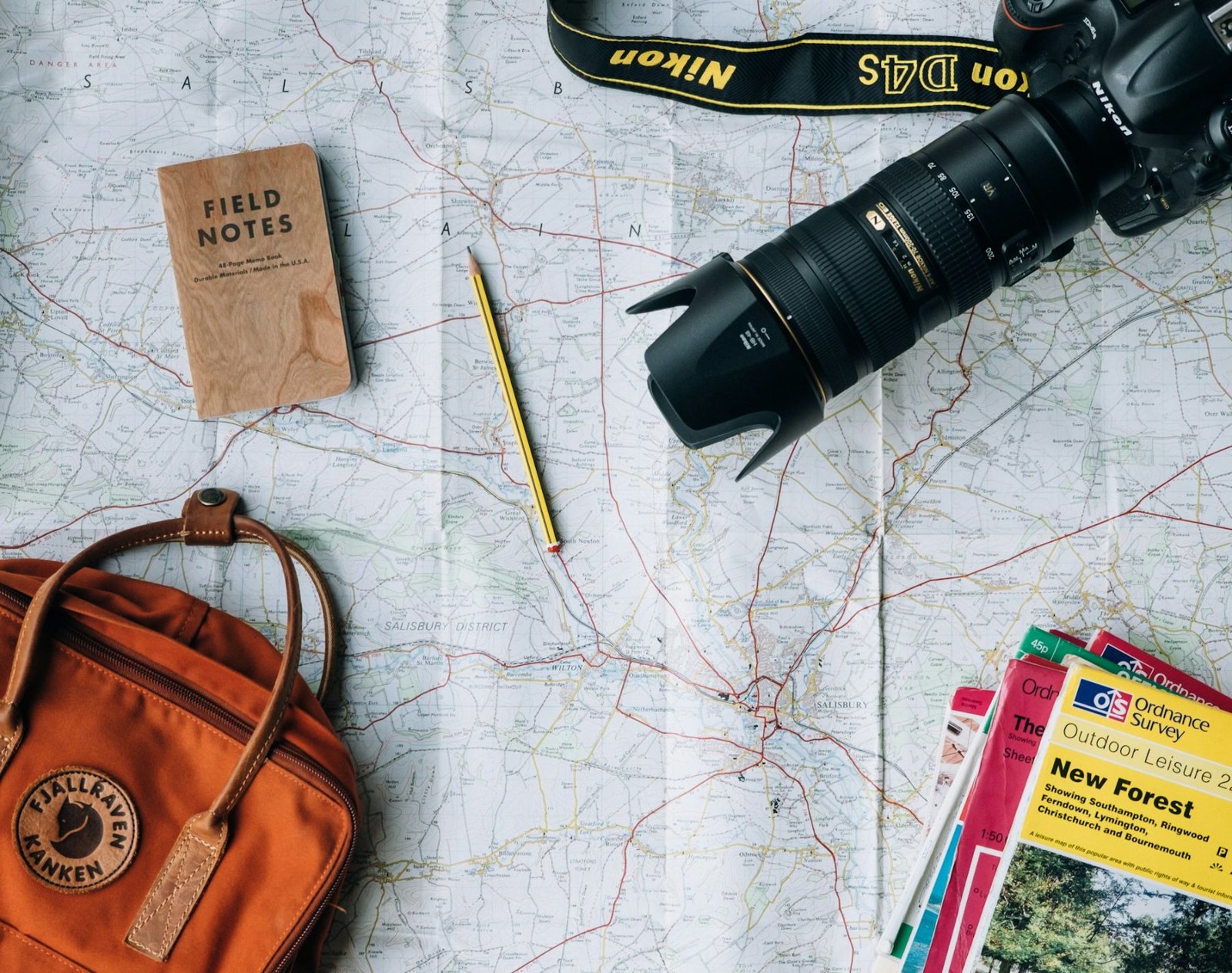
Do freedom and discipline actually conflict?
For a travel journalist, freedom shows up in your choice of topics that genuinely interest you, your routes, the angle from which you want to present your material, and your personal voice. Discipline shows up in meeting deadlines and honoring agreements with editors and with the people whose stories you’ll tell. The first gives a piece air and authorial freshness; the second guarantees that the piece gets published at all.
At first glance, it might seem that the trip itself is the result of a travel journalist’s work. But behind every trip lies enormous work: planning it, gathering material, scheduling meetings with interviewees — and the story itself is often born afterward, when the time comes to digest all the impressions and convey your thoughts to a reader, listener or viewer.
Three areas where balance matters most
The itinerary. When planning a route, it’s essential to know in advance where you intend to sleep and which places you must visit, to make sure they’re open at the right time, to plan all transfers and to set aside time for interviews. But it’s always important to leave free time to drift a little, peek into an unusual cozy courtyard, chat with a local vendor or try some new experience. Sometimes such discoveries can become the foundation of a future piece.
The topic and the angle. If, on location, you encounter a completely new experience or see something unique, you can certainly shift your focus. After all, we travel precisely to discover new things and make sense of them through our own experience. Discipline here means communicating your new point of view to your editors: you need to be extremely responsible and keep them informed of important changes.
The content itself. Freedom is having your own voice, your own thoughts and your own conclusions. Discipline is meeting not only deadlines but also editorial requirements and the formats of each publication.
A few practical tips
- Set your own deadlines earlier than the ones your editor gives you, so you’re sure to deliver on time and have spare time for revisions and new ideas.
- Set aside one day — or a little time each day — for unplanned locations: simple walks around the city or interesting encounters.
- Start and finish work on a piece at the same time every day. This keeps you from abandoning what you’ve started.
A little personal reflection
Since I’m only just beginning my journey in travel journalism, I don’t yet have a personal example of balancing freedom and discipline on the road — but I do have that experience in other areas of life. This balance is critical in any endeavor, because it helps us avoid burnout and losing interest. When I was learning foreign languages, for instance, I built a clear plan for myself: every day, watch one video, read one article and discuss one topic with an AI language partner in the target language. That’s strict discipline — but the freedom lies in choosing, every day, which video to watch, what to read about and which topic to discuss.
The main idea
Freedom and discipline don’t exclude each other; they work together as essential tools for a successful travel journalist. Discipline creates the conditions for freedom, and freedom gives the work meaning.
Milena Gnedkova wrote this piece after the masterclass that travel writer Louis D. Hall gave at the School of Travel Journalism on 5 November 2026, as part of her training in the Master in Travel Journalism. Louis D. Hall is the author of In Green: Two Horses, Two Strangers, a Journey to the End of the Land; you can follow him on Instagram at @louisdhall.
Want to turn your journeys into stories that get published? Discover the Master in Travel Journalism and the Master in Gastronomic Journalism and Communication at the School of Travel Journalism.